Two emergency rulings reassert executive control and test boundaries of federal transparency and privacy laws.
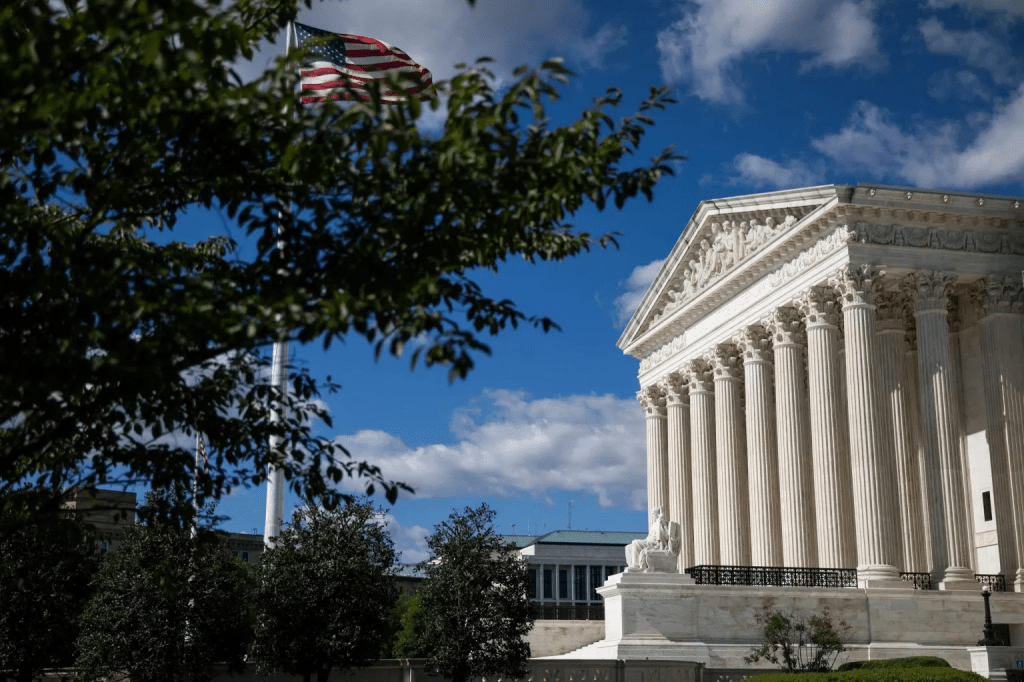
Supreme Court Sides with Trump in Dual DOGE Disputes: Executive Power, Privacy, and FOIA Clash in Emergency Docket Rulings
On June 14, 2025, the U.S. Supreme Court delivered a pair of emergency victories to the Trump administration, reinforcing the executive branch’s authority over internal operations, data access, and transparency—despite significant opposition from the Court’s liberal wing. The rulings, both unsigned and issued through the Court’s “shadow docket,” mark an important legal moment for administrative law, government transparency, and individual privacy rights.
At the center of the controversy is DOGE—the Department of Government Efficiency—an agency created by executive order on President Donald Trump’s first day of his second term. DOGE’s mission is to modernize federal technology, improve operational efficiency, and recommend cost-cutting reforms across the federal government.
These back-to-back Supreme Court orders are rooted in two distinct lawsuits:
- A privacy challenge to DOGE’s access to Social Security Administration (SSA) records, and
- A Freedom of Information Act (FOIA) case over DOGE’s internal communications and staffing data.
🔹 Case 1: DOGE’s Access to SSA Data – Privacy vs. Modernization
The first case arose after labor unions and advocacy groups sued the SSA in federal court, arguing that its decision to give DOGE personnel access to highly sensitive records violated privacy protections for millions of Americans. U.S. District Judge Ellen Lipton Hollander issued a temporary block in March 2025, halting SSA’s cooperation with DOGE while litigation proceeded.
When the U.S. Court of Appeals for the 4th Circuit upheld Hollander’s injunction, Solicitor General D. John Sauer petitioned the Supreme Court, calling the lower court’s actions an unlawful interference with executive authority. Sauer argued the injunction threatened to derail DOGE’s modernization agenda, which required access to backend systems to reduce fraud and inefficiency.
The plaintiffs, however, warned of irreparable harm if DOGE accessed this non-anonymized personal data before undergoing appropriate training and security vetting. They stressed that once the data was disclosed, the “core harm”—a privacy invasion—could never be undone.
In a brief, unsigned order, the Supreme Court sided with the Trump administration, applying the traditional four-factor test for stays:
- Likelihood of success on the merits
- Irreparable harm to the applicant
- Substantial injury to other parties
- The public interest
The Court found that all four factors leaned toward a temporary pause on Judge Hollander’s ruling. DOGE may now proceed with access to the SSA’s records, pending a full review of the legal challenges.
Three justices—Sotomayor, Jackson, and Kagan—publicly dissented, with Justice Ketanji Brown Jackson penning a sharp rebuke. Jackson emphasized that the administration’s urgency stemmed from “its impatience” rather than genuine harm, writing:
“The urgency is the mere fact that [the Government] cannot be bothered to wait for the litigation process to play out before proceeding as it wishes.”
🔹 Case 2: FOIA and the Fight Over DOGE’s Transparency
In the second case, the watchdog group Citizens for Responsibility and Ethics in Washington (CREW) filed a FOIA lawsuit in February, seeking documents from DOGE, including:
- Internal communications between DOGE leadership
- Staff employment lists
- Termination recommendations
- Cancelled contracts and grants
- Financial disclosures from DOGE personnel
U.S. District Judge Christopher Cooper granted most of CREW’s discovery requests, including permission to depose DOGE Administrator Amy Gleason. DOGE objected fiercely, arguing that the discovery demands violated executive confidentiality, especially for internal deliberations.
When the D.C. Circuit Court declined to halt discovery, Solicitor General Sauer again turned to the Supreme Court, calling the discovery orders “intrusive” and a threat to the separation of powers. He warned that forcing disclosure of presidential advisors’ internal communications would chill candid, objective advice essential to the executive function.
CREW defended its requests as narrowly tailored, and stressed that the court’s inquiry—whether DOGE qualified as a FOIA-covered “agency”—necessitated factual exploration.
The Supreme Court didn’t issue a final ruling but sent the case back to the D.C. Circuit, urging the appeals court to re-examine the breadth of Cooper’s discovery orders. In doing so, the justices temporarily stayed all discovery, including the deposition of Gleason.
The Court reiterated the importance of judicial restraint when dealing with internal executive branch communications, particularly when they may implicate presidential confidentiality.
Again, Justices Sotomayor, Kagan, and Jackson dissented, without comment—indicating a unified progressive skepticism toward the Court’s increasing willingness to side with executive power on the emergency docket.
⚖️ Key Legal Themes and Implications
These cases highlight critical questions facing constitutional and administrative law today:
- To what extent can executive-created entities like DOGE access sensitive data without explicit legislative oversight?
- Does efficiency in government operations justify curtailing established privacy rights?
- When does discovery under FOIA infringe on presidential privilege?
- What is the appropriate use of the Supreme Court’s shadow docket in cases of significant public interest?
While the justices did not resolve these issues fully, their emergency rulings mark an important moment in the evolving power dynamic between the judiciary and the executive branch.
#SCOTUS #ExecutivePower #FOIA #DataPrivacy #DOGE #TrumpAdministration #LegalNews #AdministrativeLaw #SeparationOfPowers #ShadowDocket #FederalLaw
Source: https://www.scotusblog.com/2025/06/supreme-court-sides-with-trump-in-two-doge-suits/


Leave a comment