Decades after the Cuban Revolution, the legal battle over seized U.S. property resurfaces in a high-stakes showdown between sovereign immunity and statutory justice.
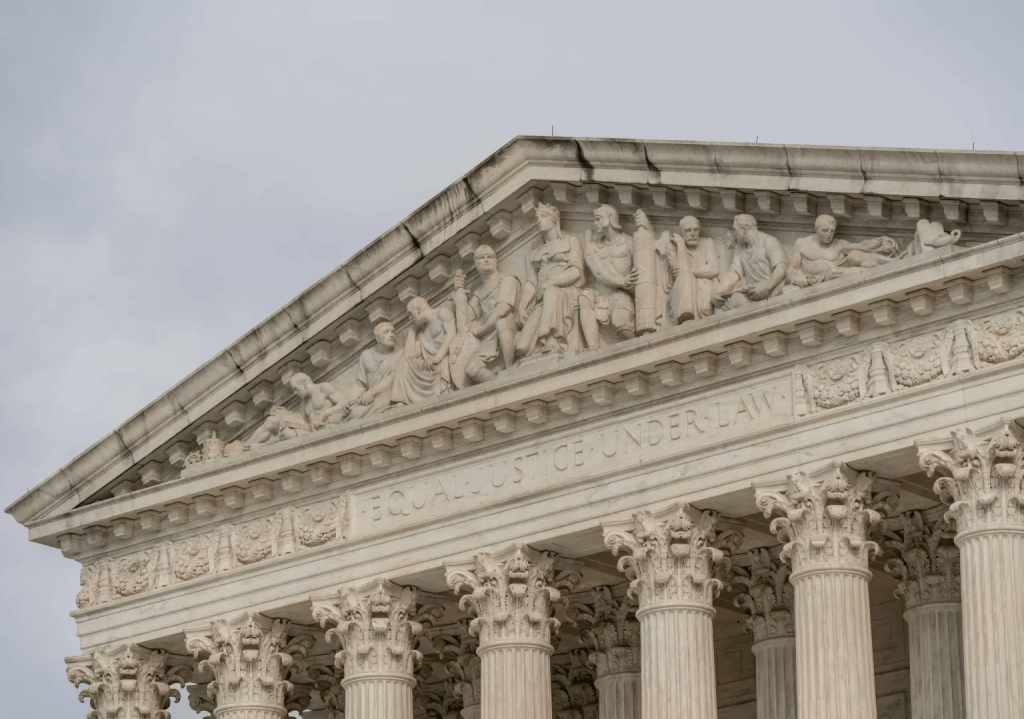
More than sixty years after Fidel Castro’s government seized American assets in Cuba, the U.S. Supreme Court is being asked to decide whether multinational giants like ExxonMobil can finally pursue damages against Cuban state-run companies. In Exxon Mobil Corp. v. Corporación Cimex, the legal question isn’t just about historical wrongs—it’s about the power of Congress vs. the protection of foreign states in U.S. courts.
On May 1, the Court invited the U.S. Solicitor General to file a brief expressing the government’s views—a sign the Court may seriously consider granting certiorari in this politically and legally volatile case.
🕰️ The Historical Backdrop: 1960s Cuba and the Oil Seizure
In 1960, Cuba nationalized all U.S.-owned petroleum assets on the island. ExxonMobil (then Standard Oil) lost a refinery and over 100 service stations, all of which were later incorporated into state-owned Cuban enterprises. In 1969, a U.S. government commission certified that Exxon had lost more than $71 million—a figure now worth over $600 million with inflation.
But for decades, U.S. companies had no real recourse to recover these losses. That changed with the passage of the Cuban Liberty and Democratic Solidarity Act (Helms-Burton Act) in 1996.
📜 Helms-Burton Act, Title III: A Sleeping Giant Awakened
Title III of the Helms-Burton Act authorizes U.S. nationals to sue anyone who “traffics” in property confiscated by the Cuban government after January 1, 1959. While the statute was passed in 1996, Presidents Clinton through Obama suspended Title III’s enforcement annually, to avoid diplomatic backlash.
That changed in 2019 when the Trump administration allowed Title III lawsuits to proceed—a game-changer for companies like Exxon.
Exxon filed suit in federal court against three Cuban-owned corporations, alleging they were unlawfully trafficking in its seized Cuban assets.
⚖️ The Legal Tug-of-War: FSIA vs. Helms-Burton
The core legal issue lies in whether Title III creates an independent cause of action or whether it must be interpreted through the lens of the Foreign Sovereign Immunities Act (FSIA).
The FSIA generally shields foreign states and their enterprises from being sued in U.S. courts, unless an exception—like the “commercial activity” exception—applies.
- The district court allowed the case to proceed against one company, saying the commercial activity exception applied.
- However, it rejected the notion that Title III overrides the FSIA, dealing a blow to Exxon’s broader claims.
- The D.C. Circuit Court of Appeals, in a 2–1 ruling, upheld the lower court’s decision, emphasizing that jurisdiction over foreign sovereigns must derive from FSIA alone.
🧑⚖️ Dueling Opinions on Statutory Authority
Chief Judge Sri Srinivasan, writing for the majority, held that Title III does not independently authorize suits against foreign governments or their state-run companies. In his view, Congress didn’t intend to override FSIA when it enacted Helms-Burton.
But in a strong dissent, Senior Judge Raymond Randolph argued the opposite. He maintained that Title III was a separate and exclusive path to accountability, and that FSIA limitations should not obstruct Congressionally-mandated redress for confiscated U.S. assets.
🏛️ Exxon’s Pitch to the Supreme Court
In December, Exxon asked the Supreme Court to resolve the tension between Title III and FSIA. Exxon contends that forcing Title III claims to satisfy FSIA exceptions will gut the statute’s effectiveness, since many Cuban enterprises may not qualify under FSIA’s narrow exceptions.
The Cuban-owned companies argue the Court should not intervene, insisting that Congress didn’t override FSIA’s sovereign immunity protections, and that Exxon may still pursue its claims via the commercial activity route.
🔍 Why This Case Matters
This dispute is more than a legal scuffle over historical property—it raises fundamental questions about:
- Sovereign immunity vs. Congressional authority
- The reach of U.S. civil jurisdiction in foreign matters
- Retroactive justice for Cold War-era expropriations
- The U.S. government’s role in shaping foreign policy through litigation
By requesting the Solicitor General’s views, the Court is signaling that the legal and diplomatic stakes are too high for a quick denial.
📈 Future Implications: Law, Policy, and Global Trade
If the Court eventually sides with Exxon and validates Title III’s stand-alone power, it would expose dozens of foreign companies—from banks to tourism firms—to multi-billion-dollar lawsuits for dealing in expropriated Cuban property.
Conversely, reaffirming FSIA’s shield could curtail the use of U.S. courts as enforcement mechanisms for decades-old grievances tied to global politics.
Lawyers involved in international litigation, sovereign immunity, and corporate accountability should keep a close eye on this case. The intersection of statutory interpretation and geopolitical fallout is exactly where legal theory meets real-world consequences.
#ExxonCubaCase #SovereignImmunity #FSIA #HelmsBurtonAct #LegalNews #InternationalLaw #CubanPropertyDispute #LawStudents #ConstitutionalLaw #ForeignAffairsLaw


Leave a comment