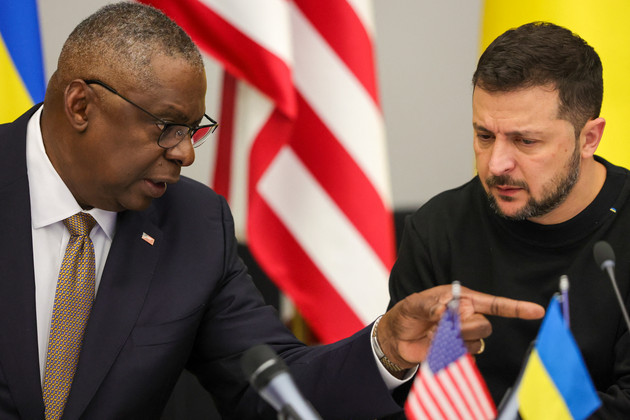
As defense chiefs convene in Brussels to discuss increased military support for Ukraine, the recent surge of far-right parties in the European Parliament elections has heightened concerns about the future of Western aid. The geopolitical landscape is increasingly complex, with both European and American political dynamics influencing strategies and commitments to Ukraine.
Political Landscape and Implications
The recent European Parliament elections have seen significant gains for far-right parties, particularly in Germany and France. This shift is raising alarms among U.S. and European officials who worry that it signals growing Western fatigue with the war in Ukraine. Although these election results won’t immediately impact Kyiv, they are seen as potential indicators of increasing resistance to ongoing support for Ukraine.
Former U.S. officials with connections to the current administration have expressed concerns that the far-right momentum in Europe could foreshadow broader opposition to the war effort. Heather Conley, a former deputy assistant secretary of state, highlighted the urgency felt by Western allies to secure aid commitments before the U.S. presidential election in November. The potential return of Donald Trump to the White House, with his previous comments on allowing Russia to bomb alliance members, adds another layer of urgency.
Immediate vs. Long-Term Support
A senior Defense Department official emphasized that the urgency to support Ukraine is driven more by the situation on the battlefield than by the political cycle. The current efforts to arm Ukraine and prepare it for potential NATO membership have been in motion since the summer of 2022. Defense Secretary Lloyd Austin’s trip to Brussels underscores the ongoing commitment to Ukraine, with meetings of the U.S.-led Ukraine Defense Contact Group and the NATO defense ministerial focusing on developing a bridge toward Ukraine’s NATO membership.
Key Objectives at the Brussels Meetings
One of the primary goals during the Brussels meetings is to create programs that will prepare Ukraine for NATO membership. This includes potential direct NATO training for Ukrainian forces to ensure compatibility with NATO operations. These efforts are part of a broader strategy that has been unfolding over the past year, rather than a reaction to recent political developments.
Impact of European Election Results
The results of the European elections are being closely monitored by officials who support Ukraine. In France, Marine Le Pen’s National Rally outperformed President Emmanuel Macron’s Renaissance movement, prompting Macron to call for snap legislative elections. While Macron retains control over national security and foreign policy, a significant win for Le Pen’s party could disrupt France’s support for Ukraine, especially if domestic politics take precedence.
In Germany, Chancellor Olaf Scholz’s center-left party suffered losses to the far-right Alternative for Germany party, which opposes further financial support for Ukraine. Although there will be no immediate change in German policy, the election results are a warning sign for Scholz’s administration. Far-right and far-left members of Germany’s parliament boycotted a speech by Ukrainian President Volodymyr Zelenskyy, reflecting dwindling support for the war effort.
Strategic Moves and Future Commitments
Despite the political shifts, Western officials are taking proactive steps to secure support for Ukraine. The European Union, under the leadership of Ursula von der Leyen, continues to pledge substantial financial aid to Ukraine, with a recent commitment of €50 billion through 2027. In the U.S., President Joe Biden has instructed the Pentagon to expedite weapon deliveries to Ukraine, including a new Patriot air defense battery, following delays in Congressional approval for additional funding.
Germany has also pledged to send a second Patriot system to Ukraine by the end of June. Additionally, there are discussions about institutionalizing the Ukraine Defense Contact Group under NATO’s leadership. This move would ensure continuity of support regardless of future U.S. administrative changes.
Conclusion
The political landscape in Europe and the U.S. is increasingly influencing the strategic approach to supporting Ukraine. While the recent gains by far-right parties in the European Parliament elections pose potential challenges, the commitment to Ukraine remains strong. Western defense officials are working diligently to secure and institutionalize support mechanisms, ensuring that Ukraine continues to receive the aid necessary to counter Russian aggression and move towards NATO membership.

 lawrota.com
Leave a comment