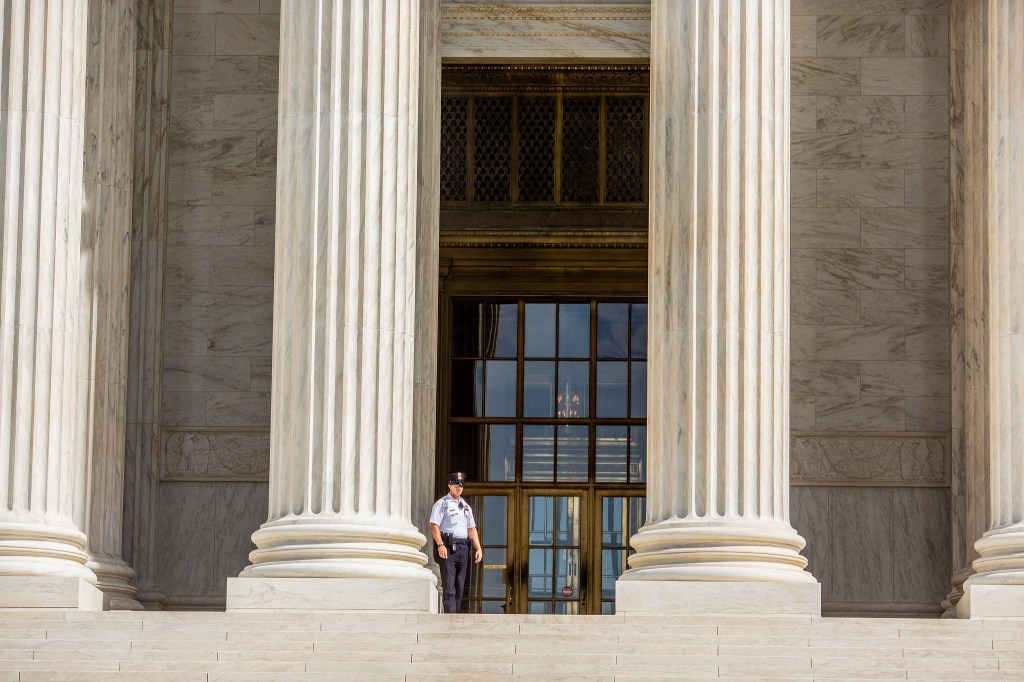
The Supreme Court recently ruled that the federal government must provide additional funding to cover administrative costs incurred by Native American tribes that operate their own healthcare programs. This decision, reached by a narrow 5-4 vote, mandates that the Indian Health Service (IHS) reimburse tribes for expenses linked to external funding sources like Medicare, Medicaid, and private insurers. Chief Justice John Roberts authored the majority opinion, underscoring the need to support tribal self-determination without imposing financial penalties.
Background and Legal Context
At the heart of this case lies the Indian Self-Determination and Education Assistance Act (ISDEAA), which allows Native American tribes to manage their own healthcare programs instead of relying on the IHS. This arrangement theoretically grants tribes greater control over their healthcare services, aligning them more closely with the specific needs of their communities. The ISDEAA stipulates that when tribes take on this responsibility, they should receive funds equivalent to what IHS would have spent on these programs, along with “contract support costs” to cover overhead and administrative expenses.
The Core Issue
The crux of the case was whether these contract support costs should also cover expenses incurred from funds obtained through Medicare, Medicaid, and private insurance. While both the federal government and the tribes agreed that IHS should cover support costs derived from federal funds, there was contention regarding external funds. The federal government argued that it should not be liable for these additional costs, whereas the tribes contended that these costs were a direct result of their contractual obligations under ISDEAA.
The Supreme Court’s Ruling
In an 18-page majority opinion, Chief Justice Roberts, joined by Justices Sonia Sotomayor, Elena Kagan, Neil Gorsuch, and Ketanji Brown Jackson, affirmed that the IHS must reimburse tribes for all reasonable direct and indirect contract support costs, including those from external funding sources. Roberts emphasized that failing to cover these costs would contradict the ISDEAA’s intent to empower tribes through self-determination, effectively penalizing them for assuming control of their healthcare services.
Roberts noted that tribes are required to seek additional funding through Medicare, Medicaid, and private insurers to sustain their healthcare programs. Consequently, the costs associated with managing these funds are inherently tied to the tribes’ contracts with IHS and should be reimbursed accordingly.
Dissenting Opinion
Justice Brett Kavanaugh, joined by Justices Clarence Thomas, Samuel Alito, and Amy Coney Barrett, dissented. Kavanaugh argued that the majority’s decision lacked support from federal law and would impose significant financial burdens on the federal government, potentially costing between $800 million and $2 billion. He expressed concerns that this ruling might redirect funds from less affluent tribes, who are less likely to manage their healthcare programs, to wealthier tribes. Kavanaugh stressed that decisions involving significant financial implications should be made by Congress and the president, not the judiciary.
Implications of the Ruling
This ruling has profound implications for Native American healthcare and the broader scope of tribal self-determination. By affirming the obligation of the federal government to cover all administrative costs, the Supreme Court has reinforced the principle that tribes should not be financially disadvantaged for taking control of their healthcare programs. This decision ensures that tribes can maintain comprehensive healthcare services without facing prohibitive administrative costs, thus promoting the broader goals of the ISDEAA.
Moreover, this ruling sets a precedent for interpreting the ISDEAA and similar statutes, highlighting the need for the federal government to honor its financial commitments to tribes fully. It underscores the importance of considering the practical implications of legal and financial frameworks governing tribal affairs.
Broader Context and Future Considerations
This decision aligns with the Supreme Court’s broader trend of supporting tribal sovereignty and self-determination. Justice Neil Gorsuch, known for his advocacy of Native American rights, played a pivotal role in this decision. The ruling also reflects a judicial acknowledgment of historical injustices faced by Native American tribes and a commitment to rectifying these through legal means.
However, the dissent raises important considerations regarding the practical implementation of this ruling. The potential financial strain on the federal budget and the implications for other federal programs highlight the complexities of balancing tribal needs with broader fiscal responsibilities. These issues underscore the need for ongoing legislative attention to ensure that funding mechanisms are both equitable and sustainable.
Conclusion
The Supreme Court’s ruling in Truck Insurance Exchange v. Kaiser Gypsum Co. represents a significant victory for Native American tribes seeking to manage their own healthcare programs. By ensuring that the federal government covers all associated administrative costs, the Court has reinforced the principles of tribal self-determination and equity. This decision not only impacts the tribes directly involved but also sets a crucial precedent for future cases involving tribal rights and federal obligations. As we move forward, it will be essential to monitor the implementation of this ruling and its broader impact on Native American healthcare and self-governance.
#SupremeCourt #NativeAmericanRights #HealthcareLaw #TribalSovereignty #LegalPrecedents #ISDEAA #HealthcareFunding #TribalSelfDetermination


Leave a comment