— Two New SCOTUS Cases Poised to Reshape Federal Court Access and Corporate Accountability
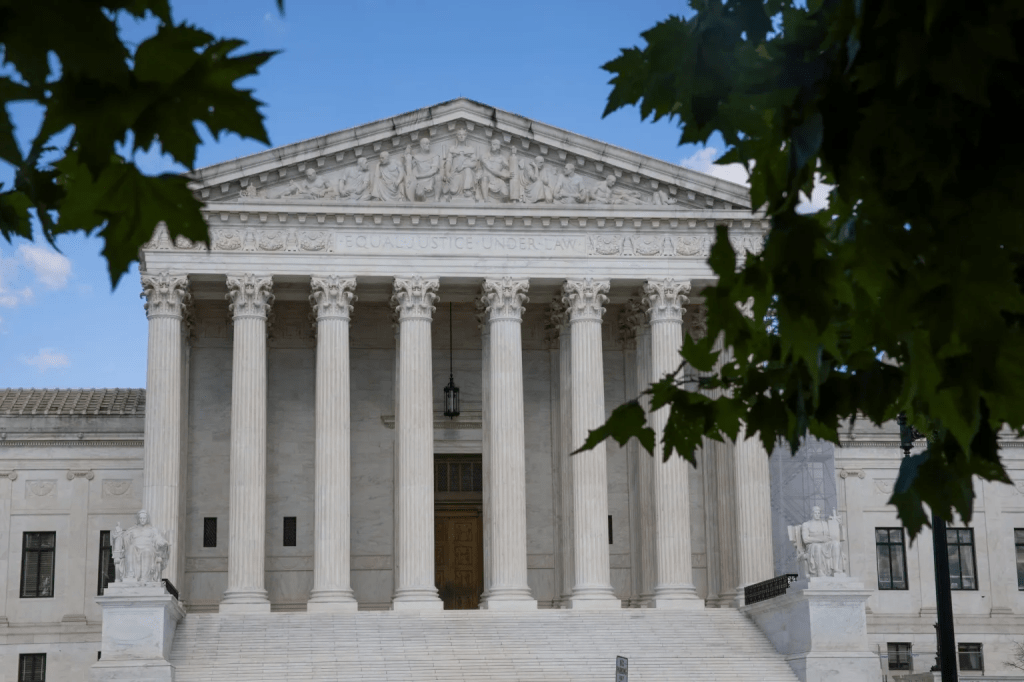
As the U.S. Supreme Court wraps its current term, its gaze is already shifting toward next year. On Monday, the justices announced the addition of two highly anticipated cases to their 2025–2026 docket—both of which could significantly impact the delicate balance of federal versus state court jurisdiction.
These cases—First Choice Women’s Resource Centers v. Platkin and Chevron USA Inc. v. Plaquemines Parish, La.—aren’t just routine jurisdictional disputes. They each represent potent constitutional questions concerning:
- Free speech and donor privacy in abortion-related investigations, and
- Federal removal authority in environmental litigation with wartime origins.
Let’s unpack the facts, legal questions, and why these cases matter to lawyers, litigators, and constitutional scholars alike.
📍 Case #1: First Choice Women’s Resource Centers v. Platkin
Issue: Can a subpoenaed faith-based pregnancy center bypass state courts and sue in federal court to assert First Amendment protections?
This case centers on First Choice Women’s Resource Centers, a group of faith-based crisis pregnancy centers in New Jersey. These centers present themselves as medical clinics offering support to pregnant women but often discourage abortion, consistent with their religious views.
The New Jersey Division of Consumer Affairs initiated an investigation in 2023 to determine whether these centers had:
- Misled donors and clients about their mission,
- Failed to disclose their anti-abortion stance on client-facing materials,
- And falsely implied that ultrasounds were required before taking abortion medication.
The Division issued a subpoena on November 15, 2023, with a compliance deadline of December 15. But First Choice responded by preemptively filing a lawsuit in federal court, arguing the subpoena:
- Chills their First Amendment rights, and
- Risks exposing sensitive donor data, thereby suppressing lawful association and expression.
However, both the district court and the 3rd Circuit refused to entertain the case. They found it not “ripe”—since the subpoena hadn’t yet been enforced, there was no actual or imminent injury. Further, the courts emphasized that only state courts have authority to enforce or quash subpoenas under New Jersey law.
Still, First Choice pushed on. After nine consecutive Supreme Court conferences, the justices finally agreed to take up the case. At stake is a broader question:
👉 Can constitutional claims against investigative subpoenas skip the state court track and go directly to federal court?
This decision could have huge implications for nonprofits, advocacy groups, and any entity under investigation by a state authority—especially in politically charged contexts like abortion access.
⚖️ Case #2: Chevron USA Inc. v. Plaquemines Parish, La.
Issue: Can oil companies move environmental lawsuits to federal court by citing decades-old federal wartime contracts?
This case emerges from Louisiana, where the state and two of its parishes have sued oil companies like Chevron USA Inc., seeking accountability for environmental degradation caused by crude oil production dating back to World War II.
The plaintiffs filed suit in state court, but the oil companies sought to remove the case to federal court. They invoked the federal officer removal statute, arguing that they acted “under” federal direction when fulfilling contracts to produce and refine oil for the U.S. government during wartime.
But there’s a catch.
The 5th Circuit Court of Appeals held that:
- Even if oil companies acted under federal authority when refining oil,
- The lawsuits targeted production activities—not covered by those federal contracts.
Thus, the court said removal was improper because the acts being litigated didn’t “relate to” any duties under federal direction.
The oil companies disagreed and took the matter to the Supreme Court, which has now agreed to resolve the scope of the federal officer removal statute.
This ruling could affect environmental litigation nationwide, especially where companies claim historical or contractual ties to the federal government. A broader reading of the statute could provide corporations with a powerful tool to shift cases out of state courts, where plaintiffs often fare better.
🧩 Legal Takeaways & Why It Matters
These cases go far beyond procedural technicalities. They signal the Court’s willingness to revisit long-standing jurisdictional doctrines in light of contemporary legal and political pressures.
First Choice presents a possible shift in how organizations resist state oversight—especially under the guise of constitutional rights.
Chevron v. Plaquemines Parish tests how far a company can reach into the past to seek federal protection from state accountability.
In both cases, the outcomes could:
- Redefine litigants’ access to federal courts,
- Influence how politically sensitive investigations proceed, and
- Determine whether corporations can avoid state-level liability by citing federal affiliations.
Legal professionals should watch these cases closely as they develop during the 2025–26 term. The resulting opinions could dramatically reshape forum selection strategies, constitutional defenses, and the reach of state regulatory power.
#SCOTUS #LegalNews #FirstAmendment #FederalJurisdiction #StateCourt #EnvironmentalLaw #SubpoenaLaw #ChevronCase #AbortionLaw #CrisisPregnancyCenters #OilLitigation #SupremeCourtWatch
Source: https://www.scotusblog.com/2025/06/supreme-court-adds-two-new-cases-for-next-term/
 lawrota.com
Leave a comment