— Two Decisions That Could Reshape Taxpayer Protections and Federal Claims for Retired Soldiers
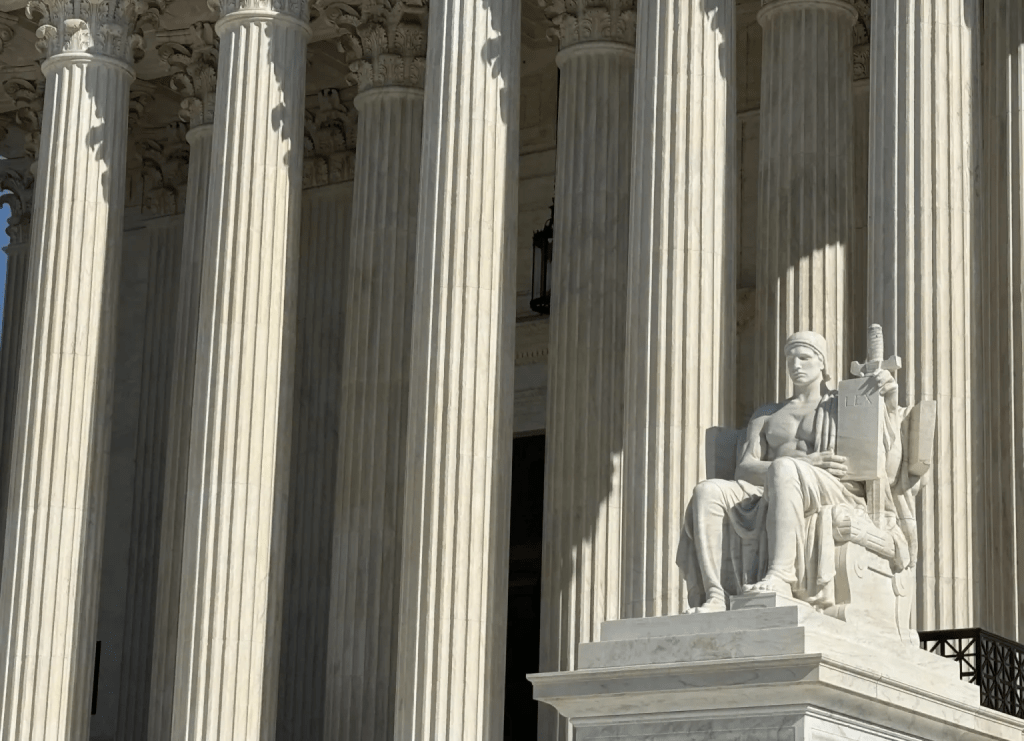
On June 12, 2025, the U.S. Supreme Court handed down two significant decisions that cut across federal tax law and veterans’ compensation rights. Though overshadowed by higher-profile rulings this term, these decisions in Commissioner of Internal Revenue v. Zuch and Soto v. United States hold considerable implications for tax professionals, government accountability advocates, veterans, and federal claims attorneys.
Let’s dive into the facts, legal holdings, and the broader significance of these two cases.
⚖️ 1. Commissioner of Internal Revenue v. Zuch: When the IRS Can’t Be Checked
Issue
Can the U.S. Tax Court hear a taxpayer’s appeal of a proposed IRS levy when the taxpayer has already paid the disputed taxes in full?
Holding
In an 8-1 decision authored by Justice Amy Coney Barrett, the Court said no. The Tax Court loses jurisdiction once the proposed levy is no longer pending—i.e., if the tax debt has been satisfied or resolved before the court reviews the case.
Facts & Background
This case arose from an IRS attempt to levy property to collect back taxes from Kelly Zuch, who challenged the levy before the Tax Court. However, by the time her case was pending, Zuch had paid the tax liability in full, thus technically resolving the debt.
The IRS argued that this full payment removed the “proposed levy” from dispute—eliminating the court’s jurisdiction to hear the matter under Internal Revenue Code § 6330. The Tax Court agreed.
Zuch argued otherwise, maintaining that she should still be able to challenge the IRS’s original error, especially since she believed the tax was wrongly assessed and overpaid.
SCOTUS Reasoning
Justice Barrett’s opinion focused strictly on statutory text. She wrote that once the levy was no longer pending due to full payment, the Tax Court had no authority to resolve issues around that levy.
“Because there was no longer a proposed levy,” she explained, “the Tax Court properly concluded that it lacked jurisdiction to resolve questions about Zuch’s disputed tax liability.”
The Lone Dissent: Gorsuch’s Warning Shot
In dissent, Justice Neil Gorsuch strongly disagreed, voicing concern that the IRS could now dodge judicial oversight by timing tax collections to avoid court scrutiny. He emphasized the risk of leaving taxpayers like Zuch with no legal path to challenge wrongful assessments or collection actions.
“Zuch may now find herself without any way to challenge the IRS’s error or prevent the agency from keeping more of her money than is lawfully due,” Gorsuch warned.
His dissent raises a critical policy concern: what recourse do taxpayers have if the IRS wrongfully collects a tax and pays itself before the courts can intervene?
🪖 2. Soto v. United States: Victory for Medically Retired Veterans
Issue
Does a federal law providing combat-related special compensation (CRSC) allow medically retired veterans to settle claims under its terms, or must they follow the general federal claims settlement process under the Barring Act?
Holding
In a unanimous 9-0 ruling, Justice Clarence Thomas wrote that veterans can settle claims under the CRSC statute and are not restricted to the default process laid out in the Barring Act.
Facts & Background
Luis Soto, a medically retired combat veteran, sought compensation under CRSC, a benefit Congress designed to provide additional pay to veterans whose disability resulted from combat-related activities.
The government attempted to apply the Barring Act, which sets procedural limits and deadlines for settling financial claims against the U.S. government. Soto argued that the CRSC statute includes its own distinct process for resolving such claims.
SCOTUS Reasoning
Justice Thomas agreed with Soto, emphasizing that when two laws conflict, the more specific statute governs. The plain language of the CRSC law explicitly lays out a separate settlement process, which takes precedence over the Barring Act.
“Where a separate settlement process exists, that process displaces the Act’s settlement mechanism,” Thomas concluded.
🔍 Legal Takeaways
For taxpayers and tax attorneys:
- Zuch tightens procedural rules around Tax Court jurisdiction. It underscores how timing can make or break a taxpayer’s ability to contest IRS actions—even if those actions were potentially unjust.
- The ruling also highlights the need for congressional clarity if courts are to be empowered to remedy IRS errors after full payment has occurred.
For veterans and military law practitioners:
- Soto is a victory for combat veterans, affirming that Congress intended to create easier, more direct pathways for disabled servicemembers to obtain compensation.
- This ruling may set precedent for future statutory interpretation cases involving veterans’ benefits and federal claims.
#SCOTUS #TaxLaw #VeteransRights #IRS #DisabilityBenefits #FederalClaims #LegalUpdate #SupremeCourtRuling #CombatVeterans #JusticeGorsuch
Source: https://www.scotusblog.com/2025/06/additional-opinions-from-thursday-june-12/
 lawrota.com
Leave a comment