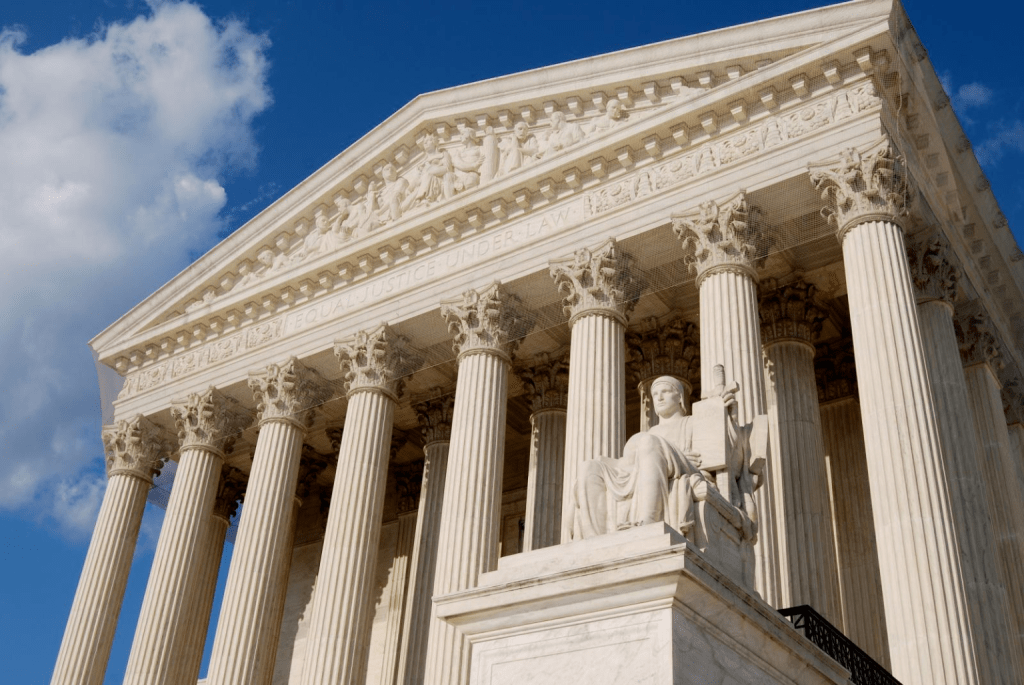
In a unanimous decision that reinforces the constitutional requirement of religious neutrality, the U.S. Supreme Court ruled on Thursday that the state of Wisconsin violated the First Amendment by denying a tax exemption to a Catholic social ministry while granting it to churches and religious schools. The case—Catholic Charities Bureau v. Wisconsin Department of Workforce Development—may have begun as a state-level tax dispute, but it ended as a powerful precedent in favor of religious liberty and non-discrimination.
Justice Sonia Sotomayor, writing for the Court, emphasized that the Constitution demands neutrality between religions, not state preferences based on theological practices. This ruling is a significant affirmation of religious organizations’ rights to equal treatment under the law—even when their methods don’t align with conventional or expected expressions of religiosity like proselytization.
📜 Background of the Case
This legal saga began nearly a decade ago when the Catholic Charities Bureau (CCB) of the Diocese of Superior in northern Wisconsin applied for an exemption from the state’s unemployment insurance tax. The exemption is available to entities “operated primarily for religious purposes.” Catholic Charities argued that although it does not evangelize or restrict its services to Catholics, its work—caring for the poor, disabled, and elderly—is driven directly by Catholic social teaching and thus qualifies.
But a state labor commission rejected the claim, reasoning that despite CCB’s religious motivation, the charity work itself was secular in nature. The fact that the group neither attempted to spread Catholic doctrine nor restricted services based on religious affiliation worked against its claim in the eyes of the commission.
The Wisconsin Supreme Court upheld that decision, determining that because the organization did not actively “imbue” its beneficiaries with the Catholic faith, it was not operated primarily for religious purposes. This interpretation effectively penalized Catholic Charities for providing services indiscriminately, without regard to faith—a stance that, ironically, is rooted in the Catholic faith itself.
⚖️ SCOTUS Steps In: Religious Neutrality vs. Doctrinal Preference
The U.S. Supreme Court disagreed, and unanimously reversed the Wisconsin ruling.
Justice Sotomayor’s opinion was clear: “A law that differentiates between religions along theological lines is textbook denominational discrimination.” In this case, the denial of the exemption punished Catholic Charities precisely because of how its faith instructs it to operate—quietly, inclusively, and without proselytization.
This means the state was effectively penalizing one theological approach over another—a constitutional red flag.
Sotomayor noted that Wisconsin’s approach amounted to denominational favoritism, triggering strict scrutiny—the highest constitutional standard. Under this test, the law must serve a compelling government interest and be narrowly tailored to that interest. Wisconsin failed on both counts.
- While the state claimed its interest lay in providing unemployment benefits, the law was underinclusive—already exempting over 40 other categories of employment, including similar religiously affiliated groups.
- Its attempt to avoid entanglement in religious doctrine was overinclusive—applying broadly to organizations rather than distinguishing between roles directly tied to religious functions.
🧩 Concurring Opinions: Deepening the Constitutional Framework
Two justices filed concurring opinions, providing additional constitutional dimensions:
- Justice Clarence Thomas argued the state erred by treating Catholic Charities as separate from the Diocese of Superior. Under canon law, the charity is an arm of the diocese, not an independent nonprofit. Ignoring this church autonomy—a doctrine protecting internal religious governance from state interference—violated a key constitutional safeguard.
- Justice Ketanji Brown Jackson took a more nuanced approach, noting that under federal law, such exemptions are more limited, focusing not just on religious motivation but on whether the organization performs explicitly religious functions. Her opinion suggests a future doctrinal discussion on how federal vs. state laws define and apply “religious purpose.”
📌 Why This Case Matters: Legal and Constitutional Takeaways
This ruling is a landmark for religious liberty, especially for faith-based social service organizations that express their beliefs not through preaching, but through action.
Key implications include:
- Equal Treatment Regardless of Theology: Governments may not prefer or disfavor religious organizations based on how they express their faith. Quiet service is no less religious than public evangelism.
- Reaffirmation of Strict Scrutiny: Laws that impose burdens on religious organizations require rigorous justification. Convenience or administrative clarity won’t suffice.
- Church Autonomy Doctrine’s Relevance: Justice Thomas’s opinion signals that courts must respect how religious institutions define their own structure, a doctrine that could impact future litigation over internal governance and liability.
In a polarized legal landscape, this 9-0 ruling demonstrates consensus on the importance of religious neutrality in the law—even when religious practices don’t conform to popular expectations.
#ReligiousFreedom #SCOTUS #ConstitutionalLaw #TaxExemption #FirstAmendment #FaithInLaw #CatholicCharities #LegalRights #UnemploymentTax #ChurchAutonomy #LawAndReligion
 lawrota.com
Leave a comment