Legal & Political Insight for Law Students and Policy Professionals
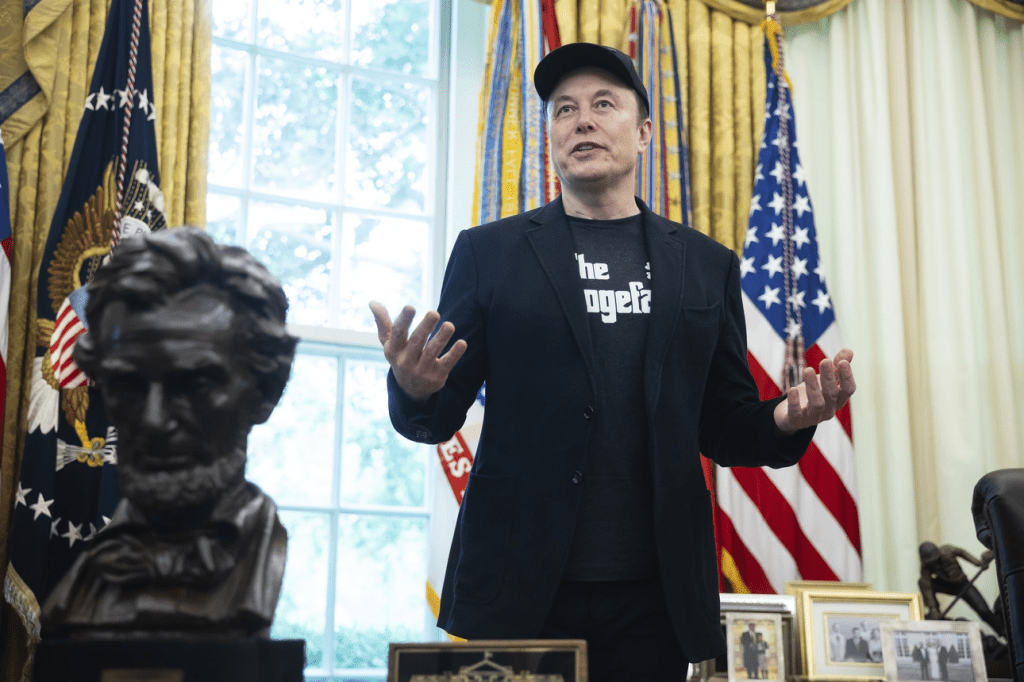
Is Elon Musk a Liability or Leverage? Why Democrats Might Need Him Despite the Drama
Elon Musk—the billionaire tech mogul, Twitter firestarter, and one-time green energy darling—is back in the climate discourse. But this time, he’s taking a wildly different approach: criticizing a Trump-backed House megabill that slashes key clean energy tax credits. After months of cozying up to Republicans and fueling their political agenda, Musk now appears to be realigning—at least partially—with the climate-focused interests that once made him a Democratic icon.
The big question: Should Democrats take him back?
Politically inconvenient? Absolutely.
Strategically smart? Possibly essential.
Let’s unpack why this sudden shift matters—and what legal and policy professionals should watch as the legislative chess game plays out.
Musk’s Clean Energy Credentials: Burnished or Burned?
Elon Musk has long straddled a complicated line in politics. As the founder of Tesla and SolarCity, he’s arguably done more to advance green transportation and solar power than any single entrepreneur in modern history. His early alignment with the Obama-era green stimulus plans—including the $500 million granted to SolarCity—helped launch America’s clean energy boom.
But more recently, Musk’s actions have drawn fierce criticism from climate advocates and Democrats alike. His vocal support for Donald Trump, the creation of the Department of Government Efficiency (a controversial anti-regulatory think tank), and his campaign donations to GOP candidates made him radioactive in progressive circles.
Still, when the House passed its so-called “megabill”—a sweeping Republican measure that gutted clean energy tax incentives—Musk and Tesla broke ranks. They openly criticized the bill, warning it would dismantle a decade of progress and threaten America’s grid reliability.
And suddenly, Democrats were forced to consider a strategic recalibration.
Democrats’ Dilemma: Forgive and Leverage, or Snub and Suffer?
The timing couldn’t be worse—or perhaps better. Democrats are losing traction on climate policy. Despite widespread bipartisan distribution of green subsidies under Biden’s Inflation Reduction Act, many of the top recipients are Republican-voting states. Yet, Democrats have failed to secure those gains politically.
So when Musk took a public stand against the House’s rollback of solar and battery credits, it offered a glimmer of unexpected leverage.
Even Representative Ro Khanna (D-Calif.), one of Musk’s loudest congressional critics, acknowledged the pivot. “Democrats should be able to recognize that,” he said, hinting at the necessity of strategic partnerships—even with adversaries.
Abigail Ross Hopper, head of the Solar Energy Industries Association, echoed that sentiment:
“Elon Musk and Tesla hit the nail on the head. Rolling back credits… would dismantle one of the greatest industrial revivals in American history.”
It’s a potent endorsement—and one Democrats can’t afford to ignore.
But Is It Too Little, Too Late?
Not everyone is convinced Musk’s support is enough to tip the legislative scales. A senior House Democratic aide dismissed the idea that Musk has any remaining clout, saying, “Musk himself is not very popular… Democrats love somebody who’s popular.”
And herein lies the paradox: Musk’s political toxicity might be undermining the very clean energy policies he once championed.
According to Democratic pollster Evan Roth Smith, Musk has become a net negative:
“Elon has negatively polarized a lot of Democrats against pro-EV policy… There isn’t enough support for any of this stuff.”
His mixed signals—supporting clean energy while campaigning against the IRA—have left climate advocates scrambling. Despite owning the platform formerly known as Twitter (now X), Musk declined to publicly denounce the clean energy cuts during his recent Oval Office appearance with Trump. Silence, in this case, may have spoken louder than words.
The Legal and Policy Implications for Environmental Law and Energy Attorneys
This saga isn’t just a political soap opera—it has significant implications for legal professionals in climate, energy, and environmental law:
- Corporate Speech & Political Influence
Musk’s platform and shifting affiliations spotlight the growing legal questions around corporate advocacy in policy debates. How do corporate leaders maintain influence while navigating political backlash? - Tax Credit Litigation & Regulatory Rollbacks
As clean energy credits face elimination, expect litigation to ramp up—particularly challenges related to administrative process violations and equal protection claims. Attorneys should keep a close eye on federal agency rulemaking and subsequent lawsuits. - Climate Policy Reversals
The regulatory pendulum swing (from Obama to Trump to Biden—and now possibly back) puts businesses and municipalities at legal risk. Contract enforcement, subsidy expectations, and long-term infrastructure investments could become vulnerable. - Public-Private Partnerships in Flux
Musk’s prior green ventures were heavily dependent on government incentives. This scenario demonstrates the legal fragility of such arrangements when political winds shift.
Is There Still Time to Salvage the Alliance?
Environmental advocates like Dan Becker think so:
“If Musk is coming back to a better place, they will welcome him with open arms… He did more to change the auto industry with Tesla than all of my work.”
But others—like former EPA official Margo Oge—are more skeptical:
“Welcome back, but I think it’s just too little, too late.”
Ultimately, the question is whether sincerity matters more than utility. If Musk can help stop devastating cuts to green energy policies, does it matter if he’s doing it out of self-interest, reputational rehab, or genuine belief?
Democrats—and climate lawyers—must decide: Is he a Trojan horse or a comeback ally?
#ClimateLaw #CleanEnergy #ElonMusk #TeslaPolitics #GreenPolicy #EnvironmentalLaw #RenewableEnergy #InflationReductionAct #EVPolicy #ClimateJustice #MuskAndDemocrats #LegalBlog #EnergyLawUpdate #PolicyWatch
 lawrota.com
Leave a comment