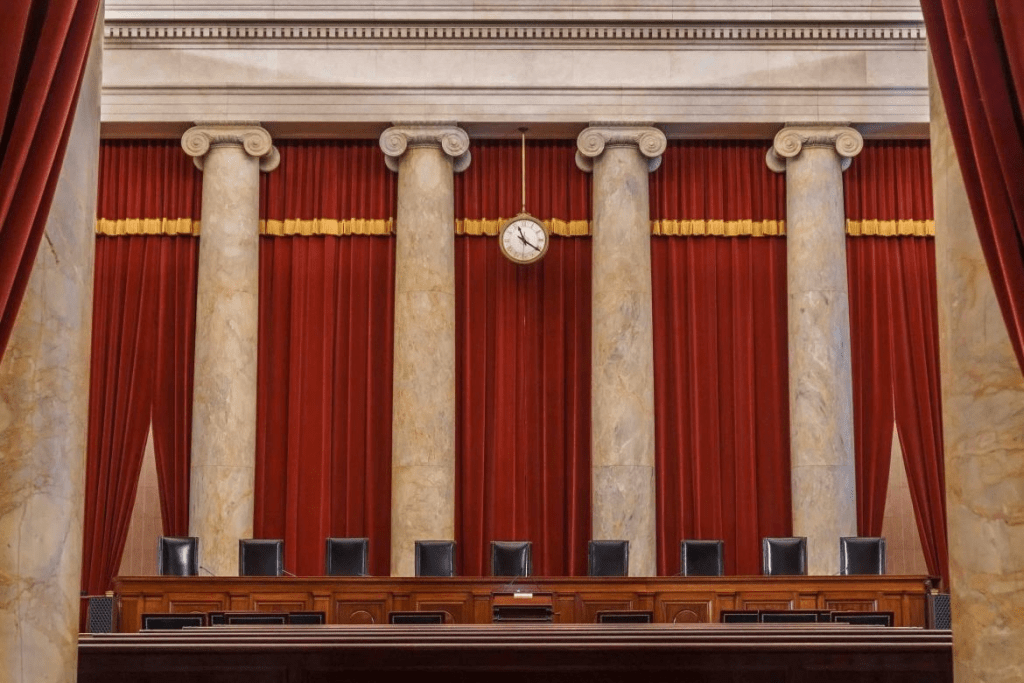
SCOTUS to Rule on Compassionate Release, Free Speech in Schools, and Sacred Lands: A Legal Turning Point?
In a development packed with legal and constitutional implications, the U.S. Supreme Court has added Fernandez v. United States to its upcoming term, signaling a potentially groundbreaking clarification on the scope of compassionate release for federal inmates. Alongside this decision, the justices declined to hear two contentious cases — one involving sacred Native American land, the other a student’s right to wear a politically charged t-shirt — both of which sparked sharp dissent from the Court’s conservative wing.
1. Fernandez v. United States: Redefining Compassionate Release?
At the center of the Court’s new term is Joe Fernandez, a New York man serving a life sentence for a 2000 murder-for-hire plot linked to drug trafficking. In 2021, Fernandez sought compassionate release, citing several “extraordinary and compelling” reasons. Chief among them was a possible miscarriage of justice: the key witness against him — also the alleged shooter — had a track record of dishonesty and had recanted testimony in another case.
Additionally, Fernandez noted a stark sentencing disparity. While he received life after trial, his co-conspirators, who pleaded guilty, secured significantly lighter sentences. A federal district judge agreed and ordered his release. But the U.S. Court of Appeals for the Second Circuit reversed the decision, arguing that claims of innocence must be brought through traditional post-conviction relief — not a motion for compassionate release under 18 U.S.C. § 3582(c)(1)(A).
The Supreme Court has now agreed to weigh whether the statutory phrase “extraordinary and compelling reasons” includes factors typically raised in post-conviction motions — potentially broadening the legal pathways for incarcerated individuals to seek early release.
2. Compassion v. Legal Procedure: The Statutory Dilemma
The Second Circuit drew a firm line: compassionate release is not the appropriate vehicle for challenging a conviction. But Fernandez argues that such a limitation is not supported by the text of the statute. Congress allows judges discretion in determining what constitutes “extraordinary and compelling” reasons — aside from rehabilitation, which is expressly excluded.
This case presents a larger question: can compassionate release be used to correct unjust outcomes, especially where new facts or disparities emerge after sentencing? A favorable ruling for Fernandez could give federal judges more flexibility to remedy potentially unfair convictions or extreme sentencing outcomes without the procedural hurdles of habeas corpus or other post-conviction remedies.
3. Denied Cases That Sparked Debate
While Fernandez was granted review, two highly publicized cases were denied — but not without passionate dissents.
A. Sacred Apache Land v. Mining Interests
The Court declined to hear a challenge from Apache Stronghold, a group of Native American advocates seeking to block the transfer of Oak Flat, sacred land in Arizona, to Resolution Copper, a mining company. The site is a spiritual sanctuary for the Western Apache people.
Despite evidence that the mining operation would obliterate the sacred site — leaving a crater over a mile wide and up to 1,115 feet deep — lower courts ruled that the land transfer did not “coerce” the Apaches to abandon their beliefs, and therefore did not violate the Religious Freedom Restoration Act.
Justice Gorsuch, joined by Justice Thomas, sharply dissented, labeling the Court’s refusal to hear the case “a grave mistake” and warning that it undermined First Amendment religious protections for Native communities.
B. Student Free Speech: “Only Two Genders” Shirt
In a separate denial, the Court refused to hear the appeal of “L.M.,” a middle-schooler suspended for wearing a t-shirt reading “There Are Only Two Genders.” School administrators deemed the shirt a violation of dress code rules against hate speech targeting gender identity.
The First Circuit upheld the school’s actions, citing the shirt’s disruptive potential. But Justice Alito — joined by Thomas — strongly dissented, arguing that the lower court endorsed viewpoint discrimination and diluted the rigorous standards for restricting student speech set in Tinker v. Des Moines (1969).
This case touched a cultural nerve, sparking national debate on free speech, gender identity, and the boundaries of school authority.
4. Cisco and the Global Human Rights Debate
Finally, the Court asked the federal government to weigh in on Cisco v. Doe, a pending case involving allegations that Cisco Systems helped the Chinese government develop surveillance tools used to persecute Falun Gong practitioners. The plaintiffs — Chinese nationals and a U.S. citizen — seek relief under the Alien Tort Statute and the Torture Victim Protection Act.
The Court has not committed to hearing the case, but its potential review could redefine the role of U.S. courts in adjudicating international human rights violations linked to American companies.
What’s Next?
With oral arguments likely scheduled for fall, Fernandez will test how far compassionate release can go and whether potential innocence can alter sentencing outcomes post-conviction. Meanwhile, the Court’s denials in the sacred land and free speech cases suggest deep ideological divides — and signal more battles ahead over religious freedom, student rights, and the limits of federal power.
The legal landscape in 2025 could shift significantly, not just for inmates like Fernandez, but for religious minorities, students, and global human rights litigants alike.
#SupremeCourt #CriminalJusticeReform #CompassionateRelease #FirstAmendment #StudentRights #ReligiousFreedom #SacredLand #SCOTUS2025 #LegalNews #SentencingReform #InmateRights #FederalAppeals
Source: https://www.scotusblog.com/2025/05/court-takes-up-new-york-mans-bid-for-compassionate-release/
 lawrota.com
Leave a comment