What every legal professional should know about the judicial halt on federal employee cuts.
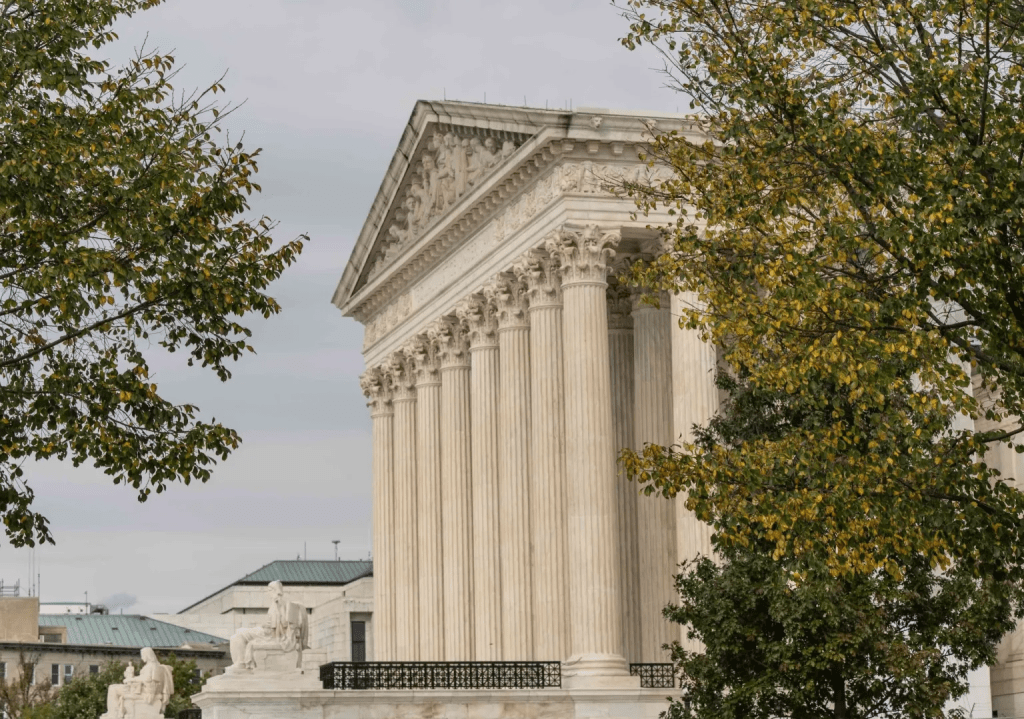
Trump Administration Pulls Back—For Now—From Supreme Court Fight Over Federal Workforce Reductions
In a swiftly evolving legal saga that underscores the tension between executive power and judicial oversight, the Trump administration has withdrawn its emergency request to the Supreme Court to pause a judge’s order that blocks plans for large-scale reductions in the federal workforce. But this is far from over. The battle now shifts to the Ninth Circuit Court of Appeals, and if the government fails there, it may come knocking on the Supreme Court’s door again.
This case, steeped in constitutional nuance and administrative law, presents critical questions for legal scholars and practitioners: Can a president unilaterally mandate sweeping layoffs of federal employees? And what role do the courts play when executive directives clash with statutory protections?
📜 The Backdrop: Executive Order Targets Federal Workforce
The conflict began with a controversial executive order issued by former President Donald Trump. The directive instructed all federal agencies to “promptly undertake preparations to initiate large-scale reductions in force (RIFs), consistent with applicable law.” The order, coupled with internal implementation guidance from the Office of Management and Budget (OMB) and the Office of Personnel Management (OPM), set in motion what challengers claim is a drastic effort to shrink the federal bureaucracy—potentially without adequate legal safeguards.
⚖️ Legal Challenge: Unions, Advocates, and Cities Push Back
A broad coalition of plaintiffs, including labor unions, public interest groups, and local governments, filed suit in a federal court in San Francisco, challenging both the executive order and the supporting agency memoranda.
Their key argument? That the planned RIFs violate existing civil service protections and threaten to circumvent federal statutes governing the rights of public employees. They requested a temporary restraining order (TRO) to halt implementation.
On May 9, Senior U.S. District Judge Susan Illston granted the TRO, immediately freezing all actions related to the RIFs. The ruling sent shockwaves through the executive branch, with federal agencies uncertain about how to proceed under the cloud of legal uncertainty.
🏛️ Escalation to the Supreme Court: A Strategic Withdrawal
Fearing prolonged delays, the Trump administration fast-tracked its appeal to the Ninth Circuit and simultaneously filed an emergency request with the Supreme Court, urging it to intervene and pause Judge Illston’s order.
In a two-paragraph filing, Solicitor General D. John Sauer argued that the TRO was wreaking “mass confusion throughout the Executive Branch.” He also contended that the lawsuit improperly sought to “end-run” statutory restrictions that bar direct judicial challenges to RIFs, essentially circumventing federal personnel laws.
But before the Supreme Court could rule, the legal ground shifted.
Judge Illston converted the TRO into a preliminary injunction—a more formal and long-term freeze on RIF implementation. As a result, the Trump administration’s emergency appeal to the high court became moot, and Sauer withdrew the request. However, Sauer noted that a similar request could be refiled if the Ninth Circuit denies the government’s current effort to lift the injunction.
🧩 What’s Really at Stake?
At the heart of the case is a foundational question of administrative law: to what extent can the executive branch take unilateral action to restructure or reduce the federal workforce, especially when existing statutes limit how federal employees can be dismissed?
If the courts ultimately uphold Judge Illston’s injunction, it could reinforce the role of the judiciary as a vital check on executive overreach in employment decisions. If the injunction is lifted, it could signal a green light for future administrations to pursue similar policies—potentially undermining long-standing federal employment protections.
The administration argues that the executive order complies with “applicable law” and simply directs agencies to begin preparations, not to act immediately. Opponents insist the order represents a sweeping attempt to bypass civil service rules, setting a dangerous precedent that could politicize or destabilize the federal workforce.
🔎 Why Legal Practitioners Should Care
This case offers a rare look into the balance of power between the three branches of government over labor rights, particularly in the public sector. Key legal issues include:
- The limits of executive orders under the Administrative Procedure Act (APA)
- Judicial review of employment policies within the federal workforce
- The definition and scope of “Reductions in Force” (RIFs) under federal law
- The legal strategy of seeking early injunctive relief in politically sensitive cases
Attorneys representing unions, government employees, or government agencies will want to track this case closely. It could reshape how future administrations approach restructuring—and how courts interpret their role in reviewing those efforts.
#AdministrativeLaw #FederalEmployees #RIF #ExecutiveOrders #LegalNews #PublicSectorLaw #TrumpAdministration #SCOTUS #NinthCircuit #CivilServiceRights #LaborLaw #LegalBlog
 lawrota.com
Leave a comment