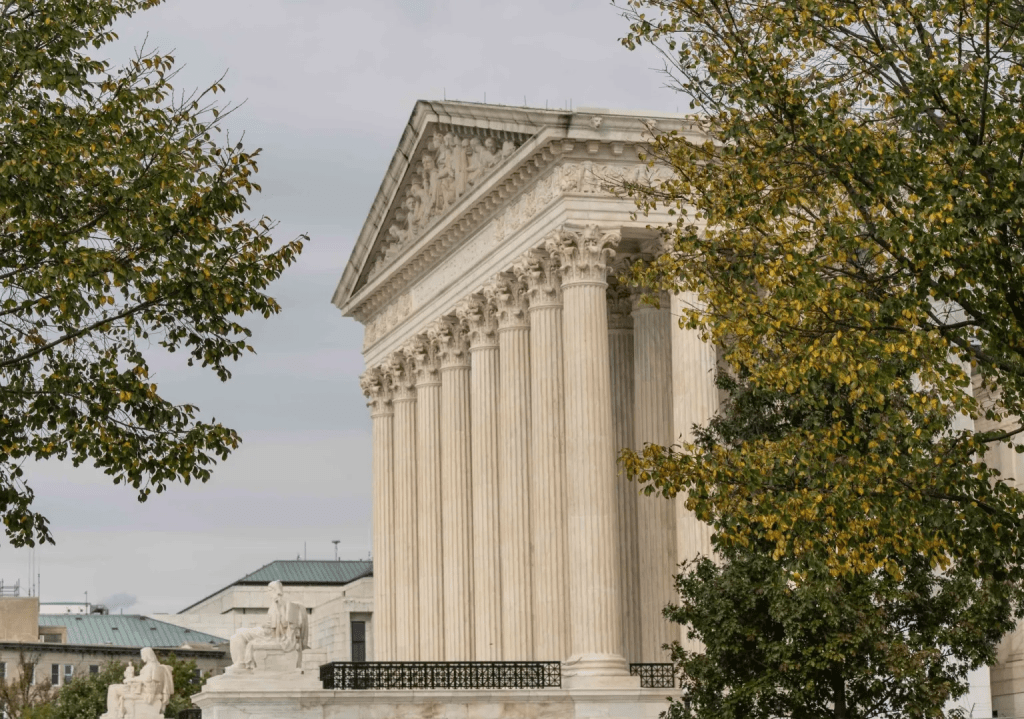
A Constitutional Crossroads: Free Speech, Legislative Discipline, and Equal Representation
In a fast-developing legal battle with national implications, the U.S. Supreme Court issued a rare emergency order directing the Maine House of Representatives to count the votes of a censured lawmaker, Rep. Laurel Libby, while her legal case moves through the courts. The brief but consequential ruling touches on First Amendment freedoms, legislative immunity, and the essential question of whether elected officials can be silenced for controversial speech.
This case spotlights the tensions between internal legislative governance and constitutional rights, all centered around a Facebook post on transgender participation in sports. The ruling allows Libby to temporarily resume voting duties, but the underlying constitutional issues remain unsettled—and ripe for further litigation.
📌 What Sparked the Legal Dispute?
In February 2025, Rep. Libby posted on her official legislative Facebook page photos and the name of a transgender high school athlete who had recently won a pole vault event at a state track meet. The post quickly drew backlash. House Speaker Ryan Fecteau warned the post could incite safety concerns and requested its removal. Libby refused.
Soon after, the House passed a censure resolution in a narrow party-line vote (75–70), citing violations of the legislature’s ethics code and claiming her actions had disrupted the school and community, leading to increased security and distress. The resolution also barred her from speaking or voting on the House floor for the remainder of her term, unless she apologized—something she refused to do.
🏛️ The Legal Claims: Free Speech & Representation
Libby and several constituents filed a lawsuit in federal court, asserting that:
- The censure and voting ban violated her First Amendment rights by penalizing her for political speech.
- The restrictions deprived her constituents of their constitutional right to representation under the 14th Amendment.
They sought a federal order requiring both Speaker Fecteau and House Clerk Robert Hunt to restore her ability to vote and debate on the floor.
But U.S. District Judge Melissa DuBose dismissed the request, citing legislative immunity—a doctrine shielding lawmakers and officials from judicial scrutiny over internal legislative decisions.
⏩ Appeals and Emergency Requests
Libby then narrowed her request on appeal, asking only that her votes be counted while the litigation proceeds. Although the 1st Circuit Court of Appeals fast-tracked the case and scheduled oral arguments for June 5, it denied interim relief.
Libby took the matter to the U.S. Supreme Court, arguing that her constituents were left voiceless, with no vote on key legislation, including the state budget and pending laws around transgender participation in sports.
📜 The Supreme Court Intervenes—But Not Unanimously
In a one-paragraph unsigned order, the Supreme Court granted Libby’s request, compelling the Maine House Clerk to count her votes pending appeal. The majority offered no reasoning, following typical practice in emergency rulings.
Justice Ketanji Brown Jackson dissented, issuing a five-page opinion criticizing the Court’s recent trend of lowering standards for emergency relief. She emphasized that injunctions like this should be granted only when the legal right is “indisputably clear.”
In her view:
- Libby failed to prove urgent harm, especially as she can still engage in other legislative functions.
- The constitutional questions are complex and unresolved, not clearly in Libby’s favor.
- The appeals court was already acting quickly, lessening the need for intervention.
Justice Sonia Sotomayor also dissented, though without a written opinion.
Jackson warned that by lowering the emergency bar, the Court risks becoming a “shadow docket referee”, encouraging litigants to bypass standard judicial processes and seek fast-track relief from the highest court.
⚖️ Key Constitutional Questions Raised
This case presents several unresolved legal tensions:
- Can lawmakers be silenced for official speech on controversial topics—especially on digital platforms?
- Where does legislative immunity end and constitutional accountability begin?
- Does punishing a legislator for political expression infringe on voters’ rights to equal representation?
- Should courts intervene in internal legislative discipline at all?
While the Supreme Court’s order is temporary, these questions may soon demand definitive answers if the case reaches a full merits hearing.
🚦 What Happens Next?
The legal spotlight now turns to the 1st Circuit Court of Appeals, which will hear full arguments on June 5. Libby is seeking a permanent ruling restoring her rights to vote and participate fully in legislative proceedings.
If the appeals court denies her claim, she could return to the Supreme Court, setting the stage for a landmark ruling on legislative discipline, free speech, and democratic representation.
This case could have national repercussions for how states handle ethical discipline vs. protected speech, particularly as political expression increasingly occurs on social media platforms and involves sensitive societal issues like gender identity.
#SCOTUS #FirstAmendment #LegislativeImmunity #FreeSpeechRights #TransgenderPolicy #LawMakersRights #MainePolitics #RepresentationMatters #ConstitutionalLaw #LegalNews #LawStudentLife #LegalEthics #CivicEngagement
 lawrota.com
Leave a comment