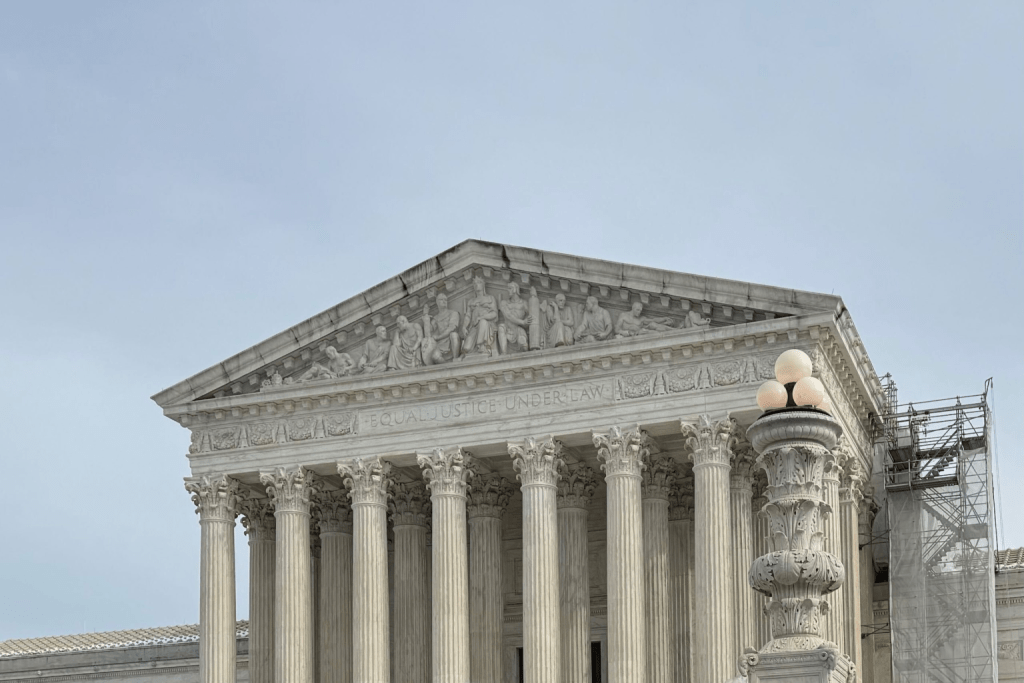
Federal Workforce on the Chopping Block: Trump Administration Seeks Supreme Court Green Light on Mass Layoffs
In a controversial legal showdown testing the limits of executive authority and labor protections, the Trump administration has asked the U.S. Supreme Court to lift a lower court’s nationwide injunction halting planned large-scale reductions in the federal workforce. The urgent appeal underscores growing tensions between President Trump’s aggressive government-restructuring agenda and constitutional protections afforded to federal employees and unions.
At issue is an executive order issued in February by President Trump during his second term, which directs all federal agencies to initiate sweeping Reductions in Force (RIFs) — essentially cutting jobs en masse and removing thousands of employees deemed nonessential. This order was backed by a memorandum jointly released by the Office of Personnel Management (OPM) and the Office of Management and Budget (OMB), outlining the process for implementing the layoffs.
However, this drastic move was swiftly challenged in court by labor unions, advocacy groups, and local governments. These stakeholders argue that the executive order violates federal employment protections, undermines collective bargaining rights, and circumvents lawful administrative procedures.
On May 9, Senior U.S. District Judge Susan Illston of the Northern District of California issued a temporary restraining order (TRO), effectively blocking the administration from executing or planning any RIFs. Judge Illston also demanded the disclosure of government documents related to the planned layoffs — though she later temporarily paused that disclosure requirement.
In response, the Trump administration filed an emergency appeal with the U.S. Court of Appeals for the 9th Circuit, seeking to stay the TRO. But with the appeals court’s briefing schedule stretching until May 22 (just one day before the TRO expires), the administration took its case directly to the Supreme Court on May 17.
Solicitor General D. John Sauer described the TRO as a “nationwide injunction that governs the personnel practices of 21 federal agencies, including 11 Cabinet-level departments.” Sauer contended that the TRO has “paralyzed” in-progress RIFs and compelled agencies to retain thousands of employees — at taxpayer expense — whom the government has already deemed unnecessary.
According to Sauer, Judge Illston’s injunction represents judicial overreach and disrupts long-standing federal personnel practices. He further argued that existing federal statutes bar the plaintiffs from challenging RIFs directly in court, and they cannot circumvent that restriction by attacking the executive order and policy memos instead.
Sauer’s motion urges the Supreme Court to impose an administrative stay, effectively pausing Illston’s ruling while the justices weigh the government’s broader appeal. “Every day the order remains in effect,” he argued, “the government is forced to maintain a bloated and inefficient workforce, wasting taxpayer money and compromising federal agency efficiency.”
This latest appeal marks the 15th emergency request the Trump administration has submitted to the Supreme Court within just 16 weeks of Trump’s second term — a signal of the administration’s reliance on high-stakes, high-speed litigation to push through major policy shifts without delay.
The broader implications of this case are significant:
- Constitutional Question: Does the executive branch have unchecked authority to initiate sweeping personnel changes in the federal workforce?
- Labor Law Clash: What rights do federal employees and their unions retain when targeted by mass layoffs under executive authority?
- Administrative Law: Can a policy memo from OPM/OMB be treated with the same force as statute or formal regulation — especially when impacting thousands?
Judge Illston’s ruling — and the administration’s urgent effort to reverse it — also highlights the increasing use of nationwide injunctions, where a single district court can temporarily stop a federal policy from taking effect across the entire country.
Meanwhile, federal workers across various agencies face mounting uncertainty, with jobs and livelihoods hanging in the balance. The Supreme Court’s decision — whether to lift the injunction or let it stand — will not only shape the immediate fate of Trump’s RIF initiative, but will also influence future executive power plays across administrations.
As law students, legal scholars, and practitioners watch closely, the case invites deep analysis of separation of powers, administrative due process, and the constitutional boundaries of labor protections in the federal sector.
#TrumpAdministration #FederalLayoffs #LegalNews #LaborLaw #ExecutivePower #SCOTUSWatch #InjunctionAlert #AdministrativeLaw #LawStudents #LegalAnalysis #OPMLawsuit #WorkforceRights
 lawrota.com
Leave a comment