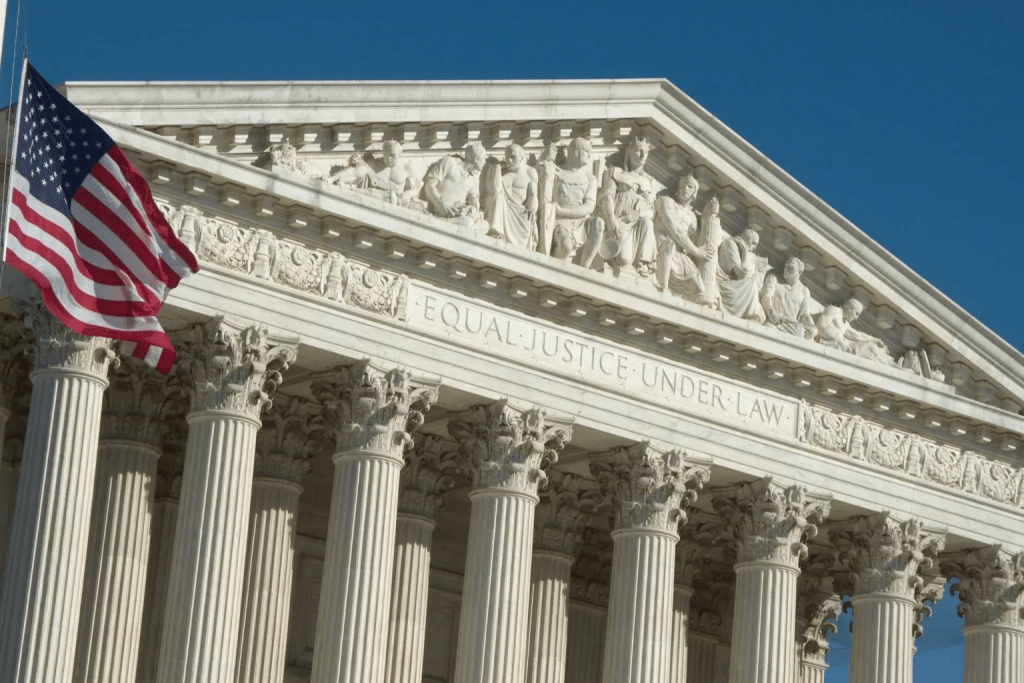
The intersection of constitutional rights and national defense has once again taken center stage, as the U.S. Supreme Court recently sided with the Trump administration in its effort to prohibit transgender individuals from serving in the military. This ruling, issued without detailed explanation, effectively halts a lower court injunction and greenlights enforcement of the Department of Defense’s contentious policy targeting those diagnosed with or treated for gender dysphoria.
This legal development marks a sharp departure from the inclusive stance adopted under President Joe Biden, who in 2021 authorized transgender Americans to serve openly in the armed forces. In stark contrast, on January 20 of this year, President Donald Trump issued a new executive order that reversed Biden’s policy and authorized the implementation of a stricter directive. The Department of Defense followed suit just weeks later, instituting a rule that disqualifies individuals with a diagnosis or history of gender dysphoria from military service — citing concerns over physical, surgical, and psychological constraints said to be incompatible with the rigors of military duty.
At the heart of this legal battle is Commander Emily Shilling, a decorated naval aviator with nearly 20 years of service and $20 million in training invested by the Navy. She, along with six other active transgender service members, a prospective enlistee, and a nonprofit organization representing transgender military interests, filed suit in federal court challenging the policy. U.S. District Judge Benjamin Settle ruled in their favor, branding the ban a “de facto blanket prohibition” that runs afoul of the Constitution’s Equal Protection Clause.
Judge Settle’s nationwide injunction temporarily blocked the policy, but the Trump administration appealed to the U.S. Court of Appeals for the 9th Circuit, which declined to lift the injunction. That prompted the administration to seek emergency relief from the Supreme Court — arguing that the military’s professional judgment on readiness and unit cohesion should not be delayed by prolonged litigation.
In a brief, unsigned order, the Supreme Court granted the administration’s request to stay the injunction — allowing the ban to be enforced immediately while the case proceeds through the appellate courts. The justices did not issue an explanation, but the decision reveals a growing trend in the use of emergency “shadow docket” rulings in cases involving hot-button political issues. Justices Sonia Sotomayor, Elena Kagan, and Ketanji Brown Jackson dissented, but also offered no written opinions.
The implications are far-reaching. First, thousands of currently serving transgender military members may now face discharge or forced de-transitioning. Second, the Court’s order, though temporary, lends de facto judicial legitimacy to a policy that critics say is discriminatory and unsupported by empirical evidence. From a constitutional law perspective, this case raises weighty questions about judicial deference to executive and military judgment, the scope of equal protection for marginalized groups, and the balance between civil liberties and national security.
Critics of the policy argue that it constitutes unconstitutional discrimination based on gender identity, essentially punishing individuals for seeking medically recognized treatment for a condition acknowledged by the American Psychiatric Association. The plaintiffs stress that many of these individuals are battle-tested, career service members whose exclusion would not only violate their rights but also weaken the military through the loss of skilled personnel.
Meanwhile, the Trump administration maintains that its position is grounded not in animus but in pragmatic military assessment. The Pentagon insists that medical requirements related to gender dysphoria, such as hormone therapy and surgical procedures, could interfere with deployments, unit cohesion, and operational effectiveness.
The broader legal community now watches as this case continues its trajectory through the courts, potentially heading back to the Supreme Court for a full hearing. Until then, law students and practicing attorneys alike must grapple with the complex layers of constitutional law, administrative authority, and social justice this decision invokes. The ruling not only affects the future of transgender individuals in uniform — it also sets a critical precedent for how courts interpret equality under the law in the face of executive power.
#TransgenderRights #MilitaryBan #SupremeCourtRuling #EqualProtection #MilitaryLaw #ConstitutionalLaw #CivilRightsLaw #LGBTQLaw #TrumpPolicy #GenderDysphoria
 lawrota.com
Leave a comment