Inside the legal showdown over executive data access, standing, and separation of powers.
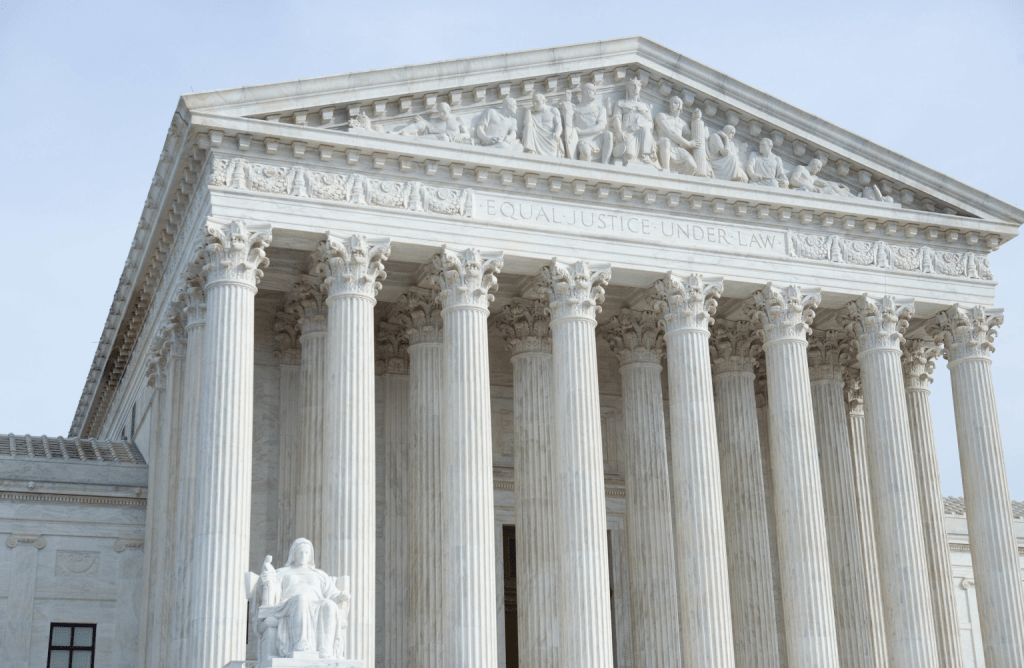
Trump’s DOGE Dilemma: Supreme Court Asked to Intervene in Social Security Privacy Dispute
A case quietly brewing in the lower courts has erupted into a high-stakes constitutional dispute now before the U.S. Supreme Court. At the center? The Trump administration’s controversial Department of Government Efficiency (DOGE) and its attempt to access millions of Americans’ Social Security records.
The legal conflict began in February when two labor unions and the Alliance for Retired Americans sued the Social Security Administration (SSA) in federal court. They claimed that the agency’s decision to grant DOGE access to sensitive records marked a dangerous erosion of data privacy protections—one that violated federal statutes and citizens’ rights.
This clash raises critical questions about the limits of executive power, the role of federal courts in internal agency decisions, and the very definition of legal “standing” in data privacy disputes.
What Is DOGE, and Why Does It Matter?
DOGE was created by former President Donald Trump via executive order on the first day of his second term. Although it is not a cabinet-level department, DOGE was established as a task force to improve governmental efficiency—particularly by modernizing outdated federal IT systems and identifying fraud, waste, and abuse.
As part of its mandate, DOGE was granted access to internal data from various agencies, including the SSA. But that access quickly drew backlash from privacy advocates and labor groups who argued the administration was overreaching and potentially violating statutory data protections.
In March, Senior U.S. District Judge Ellen Lipton Hollander issued a preliminary injunction, blocking SSA from allowing DOGE personnel access to its records. That order was extended in April, as litigation proceeded in the lower courts.
The Legal Issues: Standing, Separation of Powers, and Administrative Law
Representing the federal government, Solicitor General D. John Sauer filed an emergency request with the Supreme Court to halt the injunction. His argument is multifaceted:
- No Standing:
Sauer asserts that the plaintiffs—labor unions and the advocacy group—lack standing. According to him, they have failed to show any concrete injury. Their claim that the sharing of personal data with DOGE invades privacy is flawed, he argues, because the data hasn’t been leaked outside the government. Furthermore, all SSA and DOGE personnel are bound by the same confidentiality standards. - Agency Action Not Reviewable:
Sauer also contends that the court lacks jurisdiction to review an internal agency decision on which employees may access specific data. He warns that allowing such claims would open floodgates to judicial oversight of routine administrative operations, which are generally shielded from such scrutiny under the Administrative Procedure Act (APA). - Separation of Powers Concern:
Perhaps the most provocative part of Sauer’s argument is the claim that Judge Hollander’s injunction amounts to “inappropriate superintendence” over a co-equal branch. He insists that the district court’s actions effectively block the President’s constitutional authority to manage the executive branch, especially efforts aimed at increasing transparency and eliminating inefficiency.
The 4th Circuit’s Stance—and the Government’s Urgency
When the U.S. Court of Appeals for the 4th Circuit reviewed the case, it declined—by a close 9-6 vote—to pause Judge Hollander’s order. This decision prompted the government to seek Supreme Court intervention.
Sauer argued that the injunction has already caused delays in key modernization efforts. In his filing, he emphasized that similar restrictions on data sharing imposed by another district court in Maryland (affecting the Treasury, Education Department, and OPM) were already lifted by the 4th Circuit.
To buy time, Sauer asked the justices for an administrative stay, which would temporarily pause the lower court’s order until the Supreme Court can decide whether to hear the case.
What’s at Stake for Practitioners and Policymakers?
While this may sound like a dry administrative issue, the case implicates fundamental constitutional and procedural principles:
- Standing and Privacy Law: If the Court accepts Sauer’s argument, it may further narrow who can challenge internal government data practices—despite growing public concerns over digital privacy.
- Limits on Judicial Review of Executive Agencies: A decision here could either reinforce or erode the APA’s boundaries on judicial oversight of internal management decisions.
- Separation of Powers Doctrine: The case will test whether courts can—or should—intervene when executive agencies reorganize or expand access to sensitive data as part of a policy initiative.
Critics argue that Trump’s executive maneuvering via DOGE blurs important accountability lines. Supporters counter that without such access, much-needed IT upgrades and fraud prevention efforts stall.
Regardless of where the justices land, the Court’s eventual response will shape how future administrations manage digital governance—and how far courts may go in curbing or permitting internal data access across federal departments.
#DataPrivacyLaw #FederalCourts #AdministrativeLaw #ExecutivePower #SocialSecurity #TrumpLegalNews #LegalAnalysis #LawStudent #ConstitutionalLaw
 lawrota.com
Leave a comment