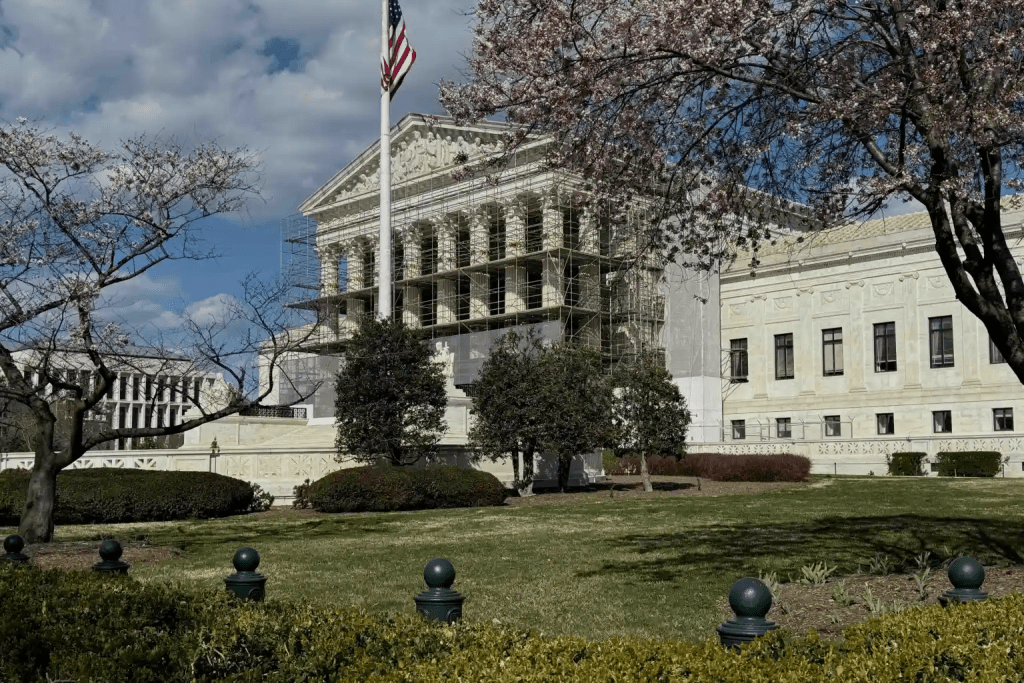
Rewriting the Rules of Educational Equity: SCOTUS Reviews Standards for Disability Discrimination in Schools
In a case that could reshape how schools are held accountable for educating students with disabilities, the U.S. Supreme Court heard oral arguments this week in A.J.T. v. Osseo Area Schools. The case sits at the crossroads of education law, disability rights, and constitutional principles—and its outcome may either strengthen or limit legal protections for students with disabilities under federal anti-discrimination statutes.
At issue is a deceptively complex legal question: What does it take for a student with disabilities to recover damages under federal discrimination laws when a school fails to provide an appropriate education? The decision will clarify how two crucial laws—the Individuals with Disabilities Education Act (IDEA) and the Americans with Disabilities Act (ADA)/Rehabilitation Act—interact when a school district allegedly denies students equitable educational opportunities.
This isn’t just a debate about legal standards; it’s a litmus test for how the judicial system balances civil rights protections with local government autonomy.
The Legal Framework: IDEA vs. ADA and the Rehabilitation Act
Under the IDEA, all public schools are required to provide a “free appropriate public education” (FAPE) to children with disabilities. However, IDEA is primarily a procedural statute—it mandates compliance and allows parents to challenge schools through administrative hearings or court actions to obtain services or remedies. It doesn’t offer monetary damages.
That’s where the ADA and Rehabilitation Act come in. These statutes prohibit discrimination “by reason of disability” by public entities, including schools, and do allow for damages—if plaintiffs can prove intentional discrimination. The key legal battleground in A.J.T. is the threshold for what qualifies as “intentional.”
While some lower courts apply the “deliberate indifference” standard—borrowed from Title IX cases involving sex-based discrimination—others impose a higher burden for school-related cases, requiring plaintiffs to prove “bad faith” or “gross misjudgment.”
The Case of A.J.T.: A Child’s Right Denied
The named plaintiff, A.J.T., is a child with severe epilepsy whose condition prevents her from attending school in the mornings. While attending school in Kentucky, she received accommodations, including evening instruction. But when her family relocated to Minnesota, the Osseo Area School District offered her only three hours of schooling per day—far less than what her peers received.
A.J.T.’s family sued. While the lower courts agreed that the district violated IDEA by failing to provide adequate education, they denied damages under the ADA and Rehabilitation Act. Why? Because while the school acted with “deliberate indifference,” the court said it did not rise to the level of “bad faith” required to warrant damages under the higher standard some jurisdictions apply to disability discrimination in education.
The case is now before the Supreme Court, which must determine whether such a heightened standard is appropriate—or even constitutional—given the clear language of Section 1415(l) of IDEA. This section states explicitly that IDEA shall not restrict the rights available under other laws like the ADA.
A Clash of Doctrines: Equal Access vs. Local Control
A.J.T.’s legal team argues that children with disabilities should not face steeper burdens than other groups seeking redress under federal anti-discrimination laws. They point to the Supreme Court’s own precedent applying “deliberate indifference” in Title IX cases and argue that Congress intended similar standards to apply under the ADA and Rehabilitation Act.
Conversely, the school district—and supporting amici—warn that applying the same low threshold could subject local schools to a flood of lawsuits and federal oversight. They emphasize the need for “federalism-sensitive” doctrines and argue that educational decisions are inherently more complex and less malevolent than intentional acts of discrimination in private employment or public accommodations.
This federalism argument resonates with some justices, particularly those skeptical of expansive federal mandates on state and local governments. Others may find it difficult to reconcile such an argument with Congress’s clearly stated legislative intent in Section 1415(l).
Why This Case Matters: High Stakes for Students, Schools, and Civil Rights Law
For law students and legal professionals, A.J.T. v. Osseo Area Schools is a case study in statutory interpretation, civil rights enforcement, and the ongoing battle over the proper role of federal courts in shaping education policy. The ruling could harmonize—or further fracture—the legal standards governing school accountability.
If the Court sides with A.J.T., the result may empower more families to pursue discrimination claims and recover damages for systemic failures in special education. On the other hand, a ruling in favor of the district could immunize school systems from financial liability even when they knowingly deny equal access to education.
At a deeper level, this case challenges the judiciary to answer: Should children with disabilities be treated like every other protected class under civil rights laws? Or are schools so unique that they merit special legal carve-outs?
The Supreme Court’s decision will ripple far beyond Minnesota. It will set a nationwide precedent on what counts as discrimination in special education—and whether damages can be a viable path to justice for children failed by the system.
#DisabilityRights #SpecialEducation #IDEA #ADA #CivilRights #EducationLaw #LegalUpdate #LawStudents #ConstitutionalLaw #SchoolLaw #A11yLaw #RehabilitationAct
 lawrota.com
Leave a comment