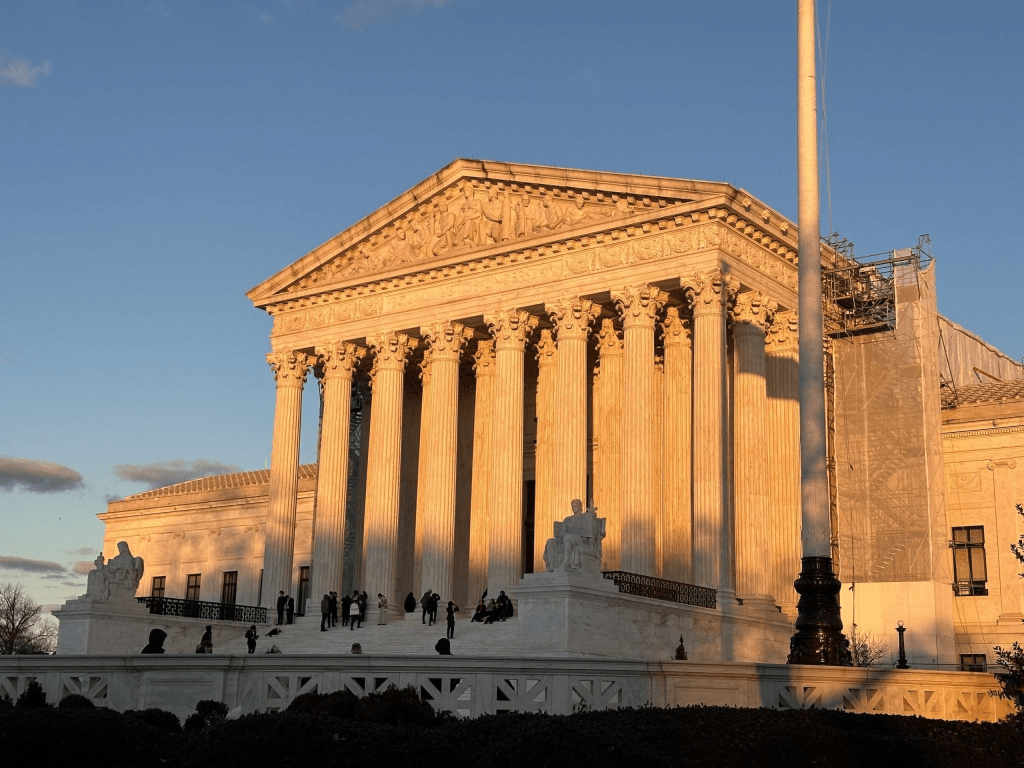
When the Law Goes Too Far: SCOTUS Declines to Block Order Demanding Return of Wrongfully Deported Immigrant
In a case that underscores the delicate balance between immigration enforcement, due process, and executive power, the U.S. Supreme Court recently refused to block a lower court’s order requiring the federal government to facilitate the return of Kilmar Armando Abrego Garcia—a Maryland resident wrongfully deported to El Salvador. This landmark decision shines a harsh light on administrative overreach and raises critical legal questions about noncitizen rights, judicial authority, and the role of federal courts in correcting immigration missteps.
The Man Behind the Case
Kilmar Abrego Garcia, a 29-year-old husband and father of three U.S. citizen children, fled El Salvador as a teenager to escape gang violence and built a life just outside Washington, D.C. In 2019, immigration officials accused him of being a member of the violent MS-13 gang. The allegations, based largely on flimsy evidence—a Chicago Bulls hoodie and a confidential informant’s vague claims—led to the denial of his release from custody. Despite these claims, an immigration judge eventually granted him withholding of removal, acknowledging that deporting him would expose him to likely persecution in El Salvador, where gangs continued to threaten his family and government protection was inadequate.
Despite this relief, on March 12, 2025, ICE officers detained Abrego Garcia again and deported him to El Salvador, where he was placed in the country’s infamous Terrorism Confinement Center—a facility known for its harsh treatment and abysmal conditions. His deportation came without new charges or legal justification, prompting outrage from legal experts and civil rights advocates.
The Legal Challenge: Due Process Denied
Abrego Garcia’s legal team swiftly filed suit in Maryland federal court. U.S. District Judge Paula Xinis ordered the government to “take all reasonable steps” to return him to the United States, highlighting the federal government’s lack of legal authority to detain or deport him.
“The Government had no legal authority to arrest him, no justification to detain him, and no grounds to send him to El Salvador,” Xinis wrote. Her ruling was subsequently upheld by the 4th Circuit Court of Appeals.
The Trump administration pushed back hard, seeking an emergency stay from the Supreme Court. Solicitor General D. John Sauer painted Xinis’s order as unprecedented and argued that it amounted to judicial overreach, demanding the Executive Branch not only negotiate with a foreign government but also succeed in doing so within a strict timeline.
Supreme Court’s Middle Ground
In a nuanced unsigned opinion with no recorded dissents, the Supreme Court largely left Xinis’s order in place, allowing the government to continue facilitating Abrego Garcia’s return. However, it directed the lower court to clarify what it meant by instructing the government to “effectuate” his return—subtly nodding to the limits of judicial authority in foreign affairs. Importantly, the Court emphasized that while the Executive Branch has significant leeway in diplomatic matters, it must also “be prepared to share what it can” regarding efforts to rectify this error.
Justice Sonia Sotomayor, joined by Justices Elena Kagan and Ketanji Brown Jackson, issued a separate opinion, stating she would have denied the government’s request entirely, making a powerful argument for due process and adherence to established legal protections.
“Abrego Garcia is entitled to all the process he would have received had this Kafka-esque mistake never occurred,” Sotomayor wrote. She also noted that requiring the government to return a noncitizen is not without precedent—federal immigration policy has long facilitated the return of deported individuals when removal was found to be unlawful.
A Deeply Troubling Precedent
This case is a stark reminder of the high stakes involved in immigration enforcement. It highlights how tenuous the balance is between national security narratives and the individual rights of immigrants—especially those already granted protection by the courts. The deportation of a man legally allowed to remain in the country—absent criminal charges and without any current warrant—raises serious constitutional concerns.
In the words of Judge Stephanie Thacker of the 4th Circuit: “The federal government has no legal authority to snatch a person lawfully present in the U.S. off the street and remove him from the country without due process.”
As proceedings return to Judge Xinis’s court for clarification, the legal community will be closely watching how the executive branch complies—and whether this case sets a new benchmark for government accountability in immigration operations.
#ImmigrationLaw #DueProcess #LegalRights #MS13 #FederalCourts #DeportationError #LegalNews #LawyersOfInstagram #JusticeForAll
 lawrota.com
Leave a comment