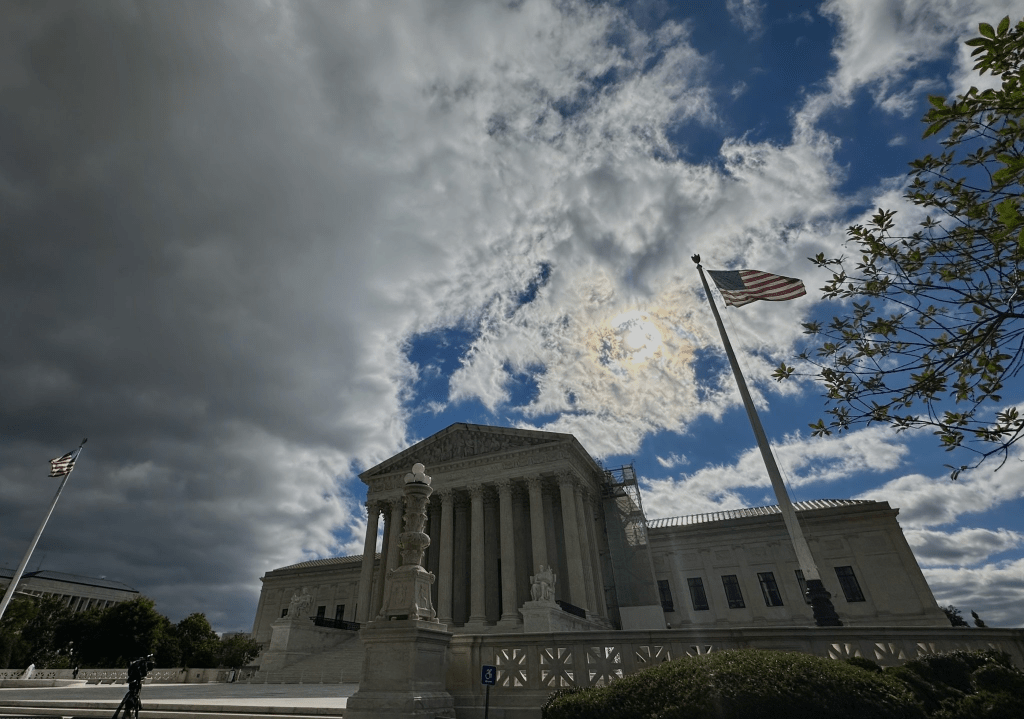
In a high-stakes move that could shape the contours of administrative law and federal employment practices, the U.S. Supreme Court has paused a lower court’s order that would have required the federal government to reinstate over 16,000 federal employees terminated earlier this year. The Court’s brief, two-paragraph order, issued on April 8, 2025, represents a procedural, but powerful, pause in a growing legal standoff over executive authority, agency limits, and the scope of judicial review.
The layoffs—executed by six federal agencies under guidance from the Office of Personnel Management (OPM)—were part of a broader Trump administration strategy to trim the federal workforce, particularly probationary employees, or those who had been recently hired and were still within their first year of service.
A coalition of nine nonprofit organizations, arguing that the firings would degrade public services, challenged the terminations in a San Francisco federal court. On March 13, Senior U.S. District Judge William Alsup sided with them, issuing a preliminary injunction requiring the OPM and six departments—including Defense, Veterans Affairs, Treasury, Interior, Agriculture, and Energy—to immediately reinstate the affected employees.
Judge Alsup’s reasoning was rooted in administrative law: while agencies may fire their own employees, the OPM lacks statutory authority to orchestrate mass terminations across agencies. The decision was hailed by advocates as a necessary check on executive overreach—but criticized by government lawyers as judicial micromanagement.
The federal government quickly sought to stay the injunction while it appealed. The Ninth Circuit Court of Appeals denied that stay but agreed to expedite the appeal. Facing mounting pressure and potential operational chaos, the Trump administration escalated the matter to the Supreme Court.
🏛️ The Supreme Court Steps In—But Not On the Merits
In an apparent 7-2 vote, the justices agreed to pause Judge Alsup’s injunction, pending further legal proceedings. The Court did not weigh in on the constitutionality or legality of the terminations themselves, nor did it evaluate the claims of other plaintiffs in the case, such as federal employee unions, whose standing Alsup declined to address.
Instead, the high court focused narrowly on a threshold issue: standing.
According to the majority, the nonprofits lacked sufficient standing to bring the challenge, as their alleged harms—like potential reductions in public services—were too indirect or speculative. The order emphasized that it was based solely on the nonprofits’ claims, not on the broader merits of the case or on the rights of other plaintiffs.
⚖️ Dissenting Voices: Sotomayor and Jackson Push Back
Justices Sonia Sotomayor and Ketanji Brown Jackson dissented from the majority’s ruling.
Sotomayor simply noted she would have denied the government’s request for a stay. Jackson, however, offered a more detailed critique. She questioned why the Court was addressing standing at this early procedural stage, especially given that the lower courts had yet to fully evaluate the claim and that the government had not demonstrated urgent, irreparable harm from Alsup’s order.
This echoes a broader criticism of the Supreme Court’s increasing use of the “emergency docket”, where significant rulings are made without full briefings, oral arguments, or opinions. Critics argue that this practice, which is supposed to be reserved for urgent matters, is now a tool for rapid judicial intervention in politically sensitive issues.
🔄 Parallel Litigation and Conflicting Orders
Interestingly, this case is not occurring in isolation. A separate federal judge in Maryland has issued a similar order requiring reinstatement of probationary employees at 20 agencies for workers residing in 19 states plus Washington, D.C. That order remains in effect—meaning that the legal landscape for terminated federal employees now varies by jurisdiction, creating operational headaches and constitutional questions.
🧠 Legal Takeaways and Implications
This case has broad implications for multiple areas of federal law:
- Standing Doctrine: Who has the right to sue in federal court remains a gatekeeping issue with significant impacts. The Court’s message here is clear: third parties like nonprofits must show direct harm to gain access to judicial relief.
- Separation of Powers: Judge Alsup’s opinion raised concerns about executive overreach. But the Supreme Court’s ruling suggests that courts must tread carefully when reviewing internal agency employment decisions—especially when challenged by outsiders.
- Emergency Docket Use: With multiple high-profile cases now being decided through expedited decisions, many are questioning whether the Court is sacrificing due process for political expediency.
- Employment Law and DEI: Though not directly part of this ruling, the trend of agency-led mass terminations—especially involving DEI-related positions—may set a precedent for future workforce restructuring under ideological grounds.
#SCOTUS #FederalEmploymentLaw #AdministrativeLaw #StandingDoctrine #LegalNews #OPMLayoffs #GovernmentWorkforce #EmergencyDocket #LawStudents #PublicLaw #LegalWriting #LawBlog
Source: https://www.scotusblog.com/2025/04/justices-pause-order-to-reinstate-fired-federal-employees/
 lawrota.com
Leave a comment