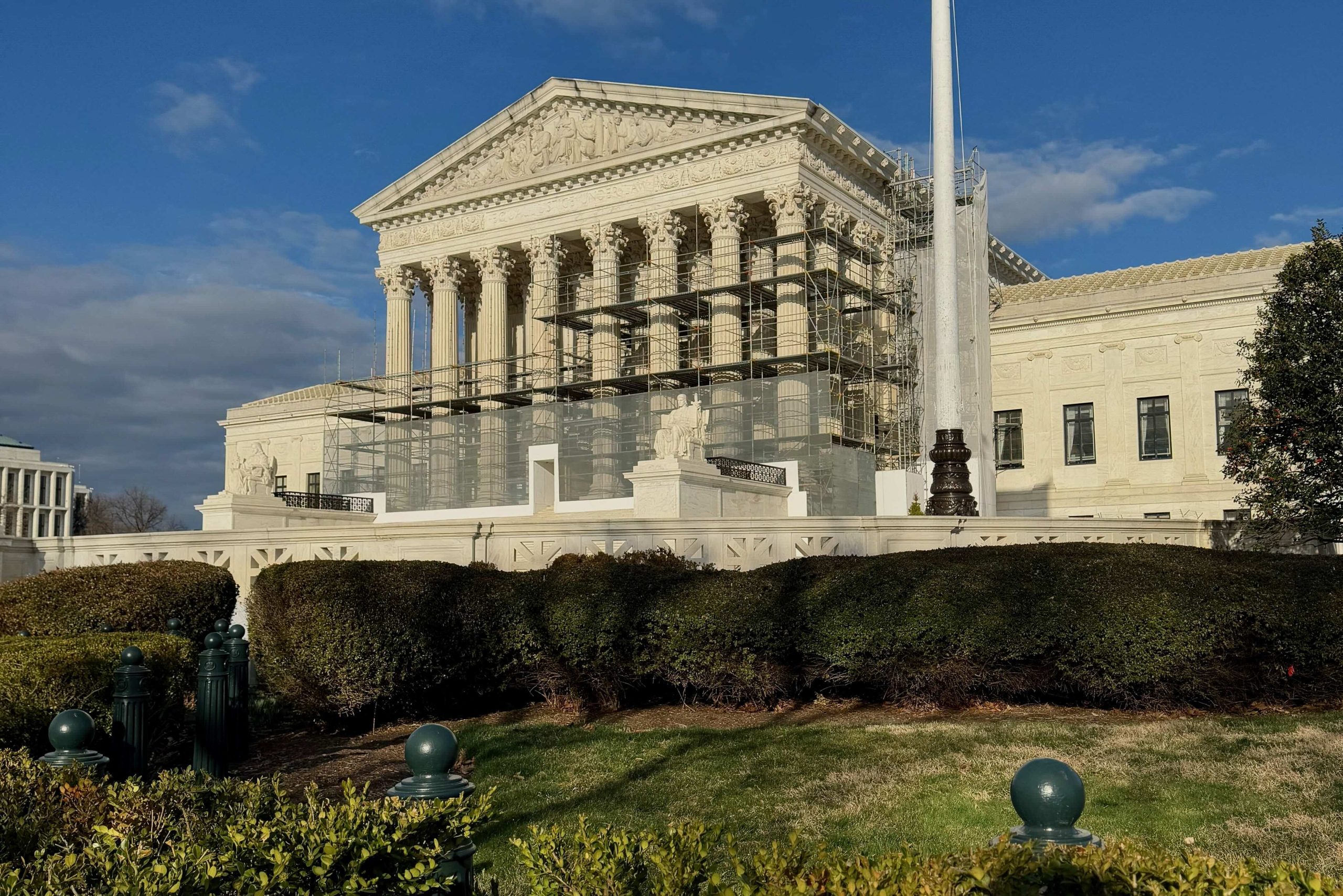
🚨 The Supreme Court’s New Docket: What Every Law Student and Legal Practitioner Should Be Watching This Term
As the U.S. Supreme Court gears up for its 2025–2026 term, it’s making moves that signal high-stakes decisions across criminal justice, constitutional interpretation, and executive power. This week, the justices added two significant cases to their docket—one exploring the limits of the Sixth Amendment right to counsel, and the other asking whether restitution orders can violate the Constitution’s ex post facto clause. But that’s not all—several high-profile matters, including President Trump’s push to end birthright citizenship and major Second Amendment battles, are still pending.
Let’s break down what’s in and what’s still on the waiting list—and why this term could be one for the constitutional history books.
🔍 1. Restitution as Punishment: A New Ex Post Facto Test
In what could redefine how courts view financial penalties in criminal sentencing, the Supreme Court has agreed to decide whether restitution orders—particularly when altered by legislation years after sentencing—constitute “punishment” for purposes of the Ex Post Facto Clause.
⚖️ The Case: Holsey Ellingburg v. United States
Holsey Ellingburg was convicted of bank robbery and sentenced to nearly 27 years in prison. At the time of his conviction, federal law capped his restitution payment period at 20 years, expiring in 2016. He had paid approximately $2,000.
But a 1996 federal law extended restitution obligations beyond those original limits—potentially for life—and added interest to the debt. The government continued collection efforts against Ellingburg after his sentence ended.
Ellingburg challenged this as unconstitutional retroactivity. He argued the change was punitive and violated the Ex Post Facto Clause, which forbids retroactive laws that increase punishment.
The Eighth Circuit Court of Appeals disagreed, calling restitution a civil remedy, not punishment. But Ellingburg persisted, and after five conferences, SCOTUS granted review. The ruling could have ripple effects on how restitution and other financial penalties are classified—especially in cases involving long sentences or policy shifts.
👥 2. Right to Counsel in Question: Conversations Barred, Justice Denied?
The second case added to the Court’s docket tests how far courts can go in restricting communication between defendants and their attorneys—especially during a trial in progress.
⚖️ The Case: David Villareal v. Texas
David Villareal was sentenced to 60 years for the stabbing death of his boyfriend, Aaron Estrada—a crime he claims was committed in self-defense. But during his trial, the judge barred Villareal from discussing his testimony with his lawyer during an overnight break.
This raises a deep constitutional question: Can a trial court lawfully prevent a defendant from discussing their own testimony with counsel—even when private attorney-client meetings are technically allowed?
Villareal argued that the restriction violated his Sixth Amendment rights. Texas admitted there is a divide among courts on the issue but claimed the practice is rare and legally justified. The Supreme Court, after brief deliberation, agreed to hear the case.
Expect this case to revive fierce debates over the boundaries of trial court discretion and the functional meaning of the Sixth Amendment in the modern courtroom.
🕰️ Still Pending: Trump-Era Policies, Gun Rights, and Indigenous Land Claims
While the Court’s decisions on Ellingburg and Villareal made headlines, several blockbuster petitions remain untouched—for now:
🧒 Birthright Citizenship & the Alien Enemies Act
President Trump’s effort to end birthright citizenship—a principle rooted in the 14th Amendment—is still pending before the justices, as is the administration’s controversial use of the Alien Enemies Act, a law dating back to 1798 that allows the detention and deportation of non-citizens during wartime.
Both cases raise enormous constitutional stakes and could redefine immigration law and presidential powers.
🔫 Gun Laws Post-Bruen
Following SCOTUS’s 2022 landmark ruling in New York State Rifle & Pistol Association v. Bruen, several Second Amendment challenges remain unresolved, including:
- Rhode Island’s ban on large-capacity magazines
- Maryland’s ban on military-style assault weapons
- New York’s new concealed carry licensing regime
The Court passed on the New York case for now, but watch this space—the landscape of gun control laws post-Bruen is still volatile and unsettled.
🪶 Religious Rights and Indigenous Land
Another emotionally and legally charged case involves the San Carlos Apache Tribe, which is fighting the transfer of sacred federal land in Arizona to a mining company. The tribe argues the move would destroy sacred sites used for religious rituals—raising serious First Amendment and Indigenous sovereignty concerns.
🧠 Legal Takeaways: What This Means for Law Students, Scholars, and Practicing Attorneys
- The Court is poised to redefine the nature of restitution, potentially reshaping post-sentencing financial obligations for thousands of defendants.
- Attorney-client privilege and the Sixth Amendment could be clarified in a digital age where courts try to control trial dynamics more tightly.
- Expect a wave of Second and Fourteenth Amendment cases to keep coming—especially as lower courts issue conflicting rulings.
- The Court continues to show restraint on some political powder-keg issues (like gun bans and tribal rights) while engaging with foundational constitutional principles.
#ConstitutionalLaw #SixthAmendment #ExPostFacto #LegalRights #RestitutionLaw #ImmigrationLaw #GunRights #TribalSovereignty #LawStudentLife #CriminalJustice #DueProcess
 lawrota.com
Leave a comment