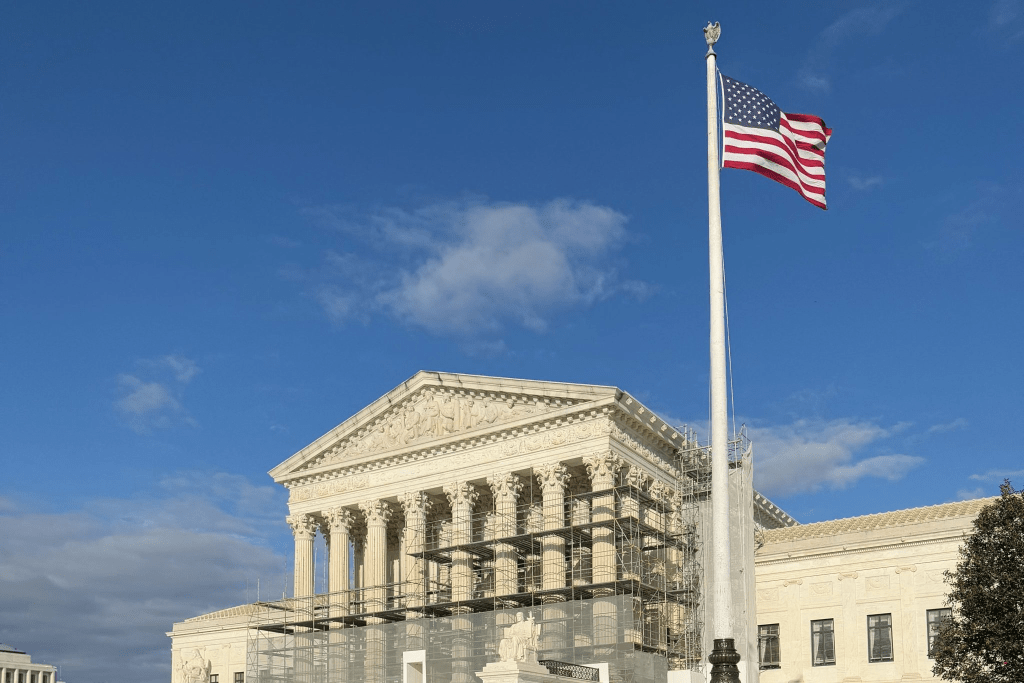
The Supreme Court’s Landmark Ruling on Civil RICO Liability and CBD Products
The Supreme Court’s latest decision in Medical Marijuana, Inc v. Horn has sent ripples through the legal community, setting a precedent on how civil RICO (Racketeer Influenced and Corrupt Organizations Act) liability applies to businesses and property losses stemming from personal injury. In a closely divided ruling, the Court held that individuals can seek damages under civil RICO for injuries that impact business or property, even if those injuries originate from personal harm. This ruling, authored by Justice Amy Coney Barrett, marks a significant shift in how civil RICO claims may be pursued moving forward.
Case Background: A Truck Driver’s Fight for Justice
The case stems from a lawsuit filed by Douglas Horn, a commercial truck driver who lost his job after consuming a product marketed as containing only CBD (cannabidiol) and failing a drug test due to undisclosed THC (tetrahydrocannabinol) content. Horn argued that the mislabeled product led to his termination and economic harm, making the manufacturers of the product liable under civil RICO.
At the core of the dispute was whether Horn’s business and property losses, which flowed from personal injury (ingesting the THC-laced product), qualified for damages under RICO. The Court’s decision allows Horn to pursue his claim, potentially opening the door for future cases where personal injury indirectly causes economic loss.
The Supreme Court’s Decision: A Divided Bench
Justice Barrett’s majority opinion emphasized that while RICO does not permit recovery for personal injury, it does allow claims for business or property losses, even if they arise from a personal injury. Barrett provided an analogy: If a gas station owner is assaulted and has to shut down their business, they cannot claim damages for pain and suffering, but they can recover economic losses from the closure.
Barrett rejected the defendants’ argument that RICO claims should be limited to direct business or property injuries. Instead, she ruled that the law’s language supports a broader interpretation, allowing plaintiffs to claim economic damages even if a personal injury triggered them.
Legal Implications: What This Means for RICO Litigation
While this ruling provides Horn a pathway to sue, Barrett cautioned that civil RICO claims still face significant hurdles. Notably, RICO requires:
- A direct link between the injury and the alleged racketeering activity. Foreseeability alone is insufficient.
- A pattern of racketeering activity. A single instance of wrongdoing is not enough for treble damages under federal law.
This means that while Horn has cleared an initial legal hurdle, proving his case in the lower courts will be a challenge.
Dissenting Opinions: Concerns Over Expanding RICO’s Scope
Not all justices agreed with the ruling. Justice Clarence Thomas dissented, arguing that the case had evolved significantly from its initial filing, to the point where the Supreme Court should have dismissed it as improvidently granted.
Justice Brett Kavanaugh, joined by Chief Justice John Roberts and Justice Samuel Alito, voiced concerns about expanding RICO liability. They warned that this decision could lead to the federalization of standard tort claims, transforming civil disputes into RICO cases that involve treble damages and harsher penalties.
The Future of Civil RICO Cases
Despite the dissents, Barrett’s ruling will likely influence future litigation involving business losses tied to personal injuries. The decision clarifies that individuals who suffer economic harm due to deceptive business practices may have a viable claim under RICO, even if their initial injury was personal. However, the strict “direct causation” and “pattern of racketeering” requirements still impose significant legal barriers.
The lower courts will now determine whether Horn can meet these high standards.
#CivilRICO #SupremeCourt #LegalNews #CBDLawsuit #BusinessLaw #LawyerLife #LegalPrecedent #Racketeering #TortLaw #JusticeMatters
 lawrota.com
Leave a comment