A Short-Lived Legal Fight With Major Implications
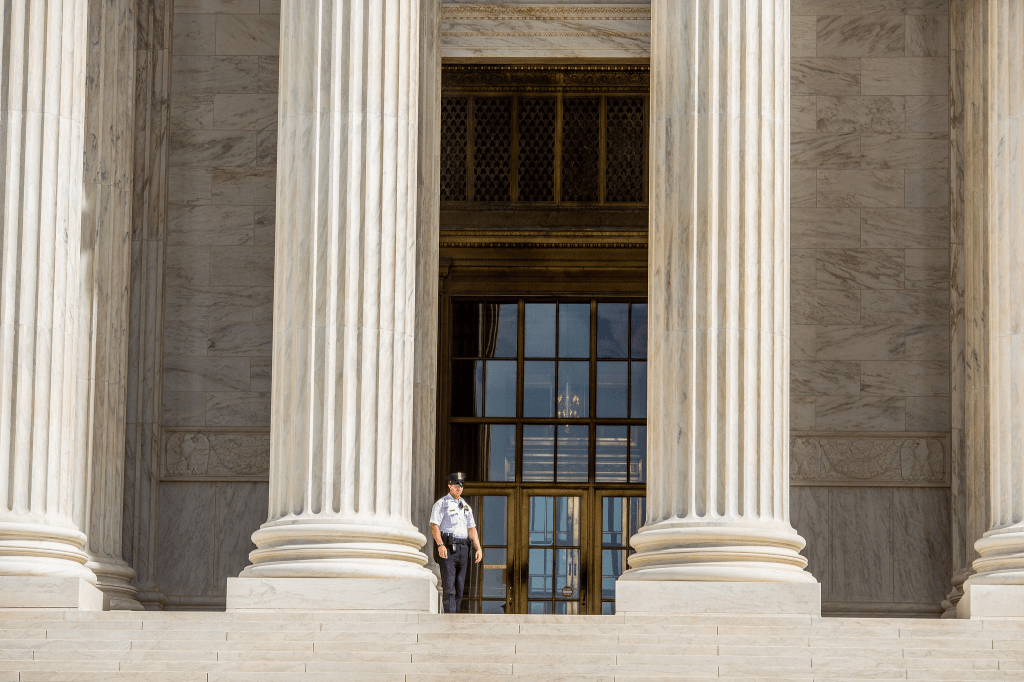
The U.S. Supreme Court has dismissed a legal challenge surrounding the controversial removal of Hampton Dellinger as the head of the Office of Special Counsel (OSC). This decision effectively ends a dispute over executive authority and the independence of federal watchdog agencies.
Dellinger, who was appointed to a five-year term in 2024, was abruptly fired on February 7, 2025, without explanation. His removal triggered a legal battle, with a federal judge ordering his reinstatement, only for the D.C. Court of Appeals to later overturn that decision. With his options narrowing, Dellinger ultimately conceded that his fight was over.
This case highlights critical legal and constitutional questions about the president’s power to remove independent agency heads, judicial intervention in executive decisions, and the future of whistleblower protections.
The Legal Timeline: How It Unfolded
1️⃣ February 7, 2025: Dellinger is removed from his position as head of the OSC via email, without an official reason.
2️⃣ February 12, 2025: U.S. District Judge Amy Berman Jackson issues a temporary restraining order, reinstating Dellinger pending further review.
3️⃣ February 26, 2025: The Supreme Court declines to immediately block Jackson’s order, allowing Dellinger to remain in office.
4️⃣ March 1, 2025: Judge Jackson rules against the Trump administration, declaring that Dellinger’s firing was unlawful. She orders that he must be reinstated.
5️⃣ March 6, 2025: The D.C. Circuit Court of Appeals overturns Jackson’s decision, ruling that Dellinger was lawfully removed.
6️⃣ March 7, 2025: The Supreme Court dismisses the case as moot, ending Dellinger’s legal challenge.
What’s at Stake? Executive Power vs. Agency Independence
At the heart of this legal battle is a fundamental constitutional question:
📌 Can the president fire independent watchdogs at will, or do they have legal protections?
📌 Does Congress have the authority to limit executive power over federal agency heads?
📌 What does this mean for future whistleblower protections under the OSC?
The Political & Legal Fallout
✅ For the Executive Branch: The ruling reinforces broad presidential removal powers. If upheld in future cases, this could weaken federal watchdog agencies and make them more susceptible to political influence.
✅ For Whistleblowers & Federal Employees: The Office of Special Counsel is tasked with protecting federal whistleblowers. Dellinger’s removal raises concerns about whether future OSC heads will be pressured or dismissed for political reasons.
✅ For the Judiciary: The Supreme Court’s dismissal of the case avoids directly ruling on presidential authority, but legal scholars believe this issue could resurface in future cases.
What Happens Next?
🚨 The D.C. Circuit Court of Appeals will continue reviewing the case, despite Dellinger stepping aside. A final ruling on the legality of his firing could set a legal precedent on presidential authority over independent agencies.
🚨 Legal experts predict Congress may revisit laws governing agency protections, particularly those affecting federal watchdogs.
🚨 Future legal battles could clarify whether courts have the power to reinstate removed agency heads or if they must defer to the president’s discretion.
#SupremeCourt #ExecutivePower #LegalNews #ConstitutionalLaw #LawyerLife #WhistleblowerProtection #FederalLaw
 lawrota.com
Leave a comment