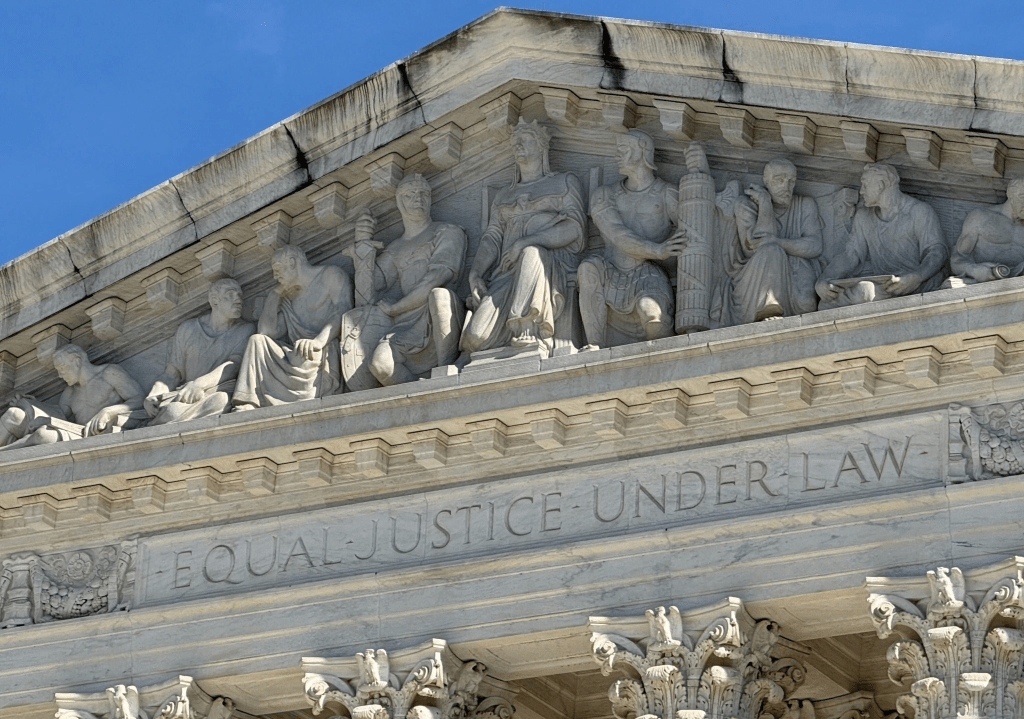
The Supreme Court is set to deliberate on a pivotal legal battle involving R.J. Reynolds Vapor Company (RJR Vapor) and the FDA. At the core of the dispute is whether the North Carolina-based e-cigarette manufacturer can challenge the FDA’s rejection of its menthol-flavored Vuse e-cigarettes in the U.S. Court of Appeals for the 5th Circuit—a venue known for conservative rulings—despite the FDA’s claim that such cases should only be heard in specific jurisdictions. The outcome could reshape the judicial approach to forum-shopping and federal agency regulations.
The Case Background
The controversy traces back to the Family Smoking Prevention and Tobacco Control Act, which empowers the FDA to regulate tobacco products, including e-cigarettes since 2016. Manufacturers must seek FDA approval before marketing new products, demonstrating that the product is “appropriate for the protection of public health.” RJR Vapor’s application for its menthol-flavored Vuse brand was rejected, prompting the company to file a challenge in the 5th Circuit, alongside Texas-based Avail Vapor and a trade group representing Mississippi retailers.
The 5th Circuit, in a divided ruling, allowed the case to proceed in Louisiana. The FDA, however, contends this tactic undermines Congress’s intent, which limits where such legal challenges can be filed. The agency warns that the 5th Circuit’s decision risks fostering widespread forum-shopping, eroding judicial impartiality and potentially triggering a flood of challenges across favorable jurisdictions.
Key Legal Arguments
The FDA’s stance is that the Tobacco Control Act strictly governs where challenges can be filed—either in the D.C. Circuit, where the company is incorporated, or where its principal place of business is located. It argues that RJR Vapor improperly relied on retailers to circumvent jurisdictional restrictions, an approach it claims is contrary to legislative intent.
RJR Vapor, however, counters that the FDA’s actions adversely affect retailers who face significant economic losses if the products are pulled from shelves, giving them standing to file suits. Furthermore, the law allows “any person adversely affected” by the FDA’s denial to seek judicial review, a provision they believe applies to both manufacturers and retailers.
Forum-Shopping Concerns
The FDA emphasizes that allowing RJR Vapor’s strategy would encourage plaintiffs to manipulate the judicial system, steering cases toward circuits with favorable leanings. It cites a troubling trend of out-of-circuit manufacturers leveraging the 5th Circuit as a legal haven for challenges to FDA regulations. Beyond tobacco control, the ruling could set a precedent enabling litigants to sidestep jurisdictional rules in other federal regulatory contexts, jeopardizing consistency in administrative law.
Broader Implications
While the immediate stakes revolve around e-cigarette regulations, the case touches on broader questions about jurisdiction, the power of federal agencies, and judicial impartiality. If the Supreme Court upholds the 5th Circuit’s decision, it may embolden industries to exploit jurisdictional loopholes, weakening regulatory enforcement. Conversely, a ruling against RJR Vapor could reinforce the FDA’s authority and curtail forum-shopping practices.
#FDARegulations #ForumShopping #SupremeCourt #ECommerceLaw #TobaccoControl #LegalBattles #MentholVapes
 lawrota.com
Leave a comment