
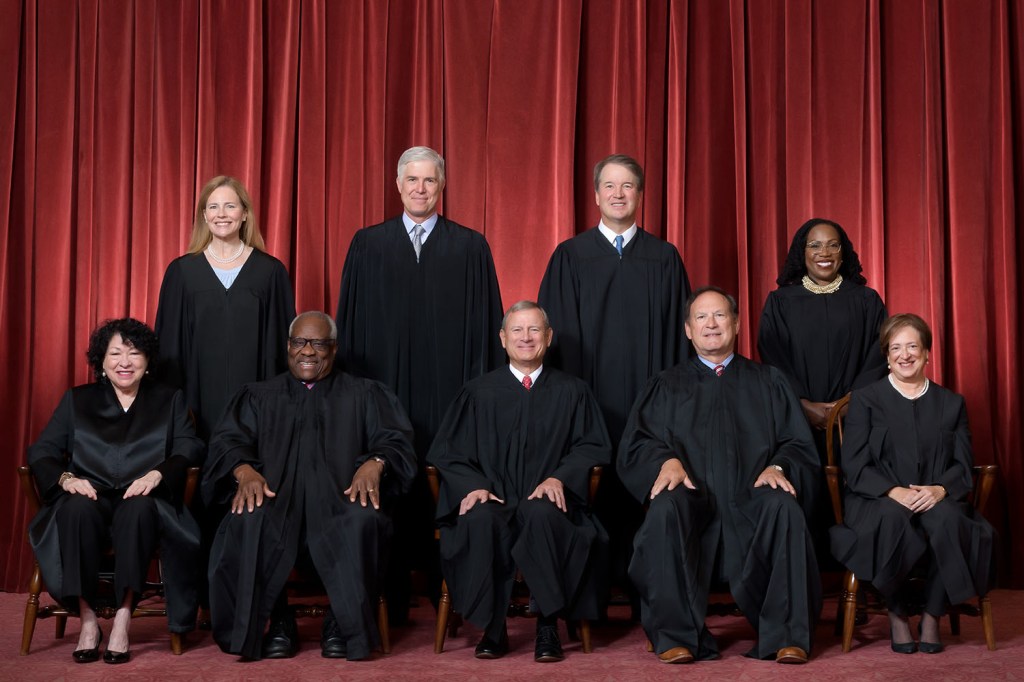
The recent release of the Supreme Court Justices’ financial disclosures has sparked significant interest, particularly surrounding Justice Clarence Thomas’s “inadvertently omitted” trips funded by billionaire Harlan Crow. These disclosures, intended to reveal potential conflicts of interest and uphold ethical standards, provide a glimpse into the justices’ financial activities, travel, gifts, and investments. This article delves into the detailed financial reports, the implications for judicial ethics, and the broader context of transparency within the highest court.
Clarence Thomas: Under Scrutiny
Justice Clarence Thomas’s financial disclosure revealed two trips in 2019 funded by conservative billionaire Harlan Crow. These trips, which included a stay at a Bali hotel and accommodations at a private club in Sonoma County, California, were “inadvertently omitted” from his 2019 disclosure. The Sonoma County stay was at the exclusive Bohemian Grove, a secretive men’s retreat.
These omissions were first brought to light by a ProPublica investigation last year. Thomas’s disclosure of these trips raises questions about transparency and compliance with ethical standards. While Thomas attributed the omissions to oversight, the revelations add to the ongoing scrutiny of his relationship with Crow and the potential influence on his judicial decisions.
Travel and Teaching: A Year Abroad for Justices
Other justices also reported significant travel, often linked to their teaching roles. Justices Amy Coney Barrett and Brett Kavanaugh taught at Notre Dame’s law school in London during the spring of 2023. Barrett earned nearly $15,000, while Kavanaugh received $25,000 for their teaching stints.
Justice Neil Gorsuch traveled to Lisbon, Portugal, to teach with George Mason University and its National Security Institute, earning $30,000. He also visited the United Kingdom for a Federalist Society program. These overseas trips, while primarily educational, highlight the justices’ engagement in activities beyond the bench and the financial benefits they receive.
Book Deals and Literary Success
2023 was a lucrative year for several justices, with significant earnings from book deals. Justice Ketanji Brown Jackson secured a nearly $900,000 advance for her memoir, “Lovely One,” reportedly worth about $3 million. Justice Brett Kavanaugh received $340,000 for his upcoming legal memoir. Justice Neil Gorsuch reported $250,000 from HarperCollins for his new book, “Over Ruled: The Human Toll of Too Much Law,” set for release in August 2023.
Justice Sonia Sotomayor, a prolific author, reported royalties from Penguin Random House and a payment of $1,879.16 for a guest appearance on the PBS animated series “Alma’s Way.” These financial disclosures reflect the justices’ success in the literary world and the substantial income they derive from their writing.
Gifts and Ethical Concerns
The financial disclosures also revealed various gifts received by the justices. Justice Thomas reported a $2,000 gift of photo albums from Terrence and Barbara Giroux. The Girouxs are connected to the Horatio Alger Association, where Thomas serves as an honorary board member.
Justice Jackson disclosed two art gifts for her chambers, including a $10,000 piece from Alabama artist Lonnie Holley and four tickets to a Beyoncé concert valued at $3,711.84. These entries highlight the diverse nature of the gifts received by the justices and the potential for ethical questions regarding their acceptance.
Fix the Court’s Report: A Closer Look at Gifts
The nonpartisan watchdog group Fix the Court released a report detailing gifts received by the justices over the past 20 years. The report highlighted that between January 2004 and December 2023, the justices accepted 344 gifts valued at nearly $3 million. A significant portion of these gifts was accepted by Justice Thomas, who received gifts valued at $2.4 million, with an additional $1.7 million in “likely gifts,” totaling up to $4 million.
This report underscores the need for transparency and strict adherence to ethical guidelines to maintain public trust in the judiciary. The volume and value of gifts received by the justices call for a closer examination of the existing disclosure and ethical compliance mechanisms.
Ethical Implications and Public Trust
The financial disclosures and the subsequent revelations about the justices’ travels, gifts, and outside earnings raise important questions about judicial ethics and public trust. Transparency in financial matters is crucial to ensure that the justices remain impartial and free from undue influence.
Justice Thomas’s undisclosed trips funded by Harlan Crow, along with previous investigations into his failure to disclose luxury travel and other financial benefits, have heightened concerns about conflicts of interest. The ethical standards for justices, while outlined, require rigorous enforcement and perhaps further refinement to prevent such oversights and maintain the integrity of the judiciary.
Conclusion: Towards Greater Transparency
The annual financial disclosures of the Supreme Court Justices provide valuable insight into their financial activities and potential conflicts of interest. However, the recent revelations also highlight the need for greater transparency and stricter ethical standards. As public servants tasked with upholding the law, justices must adhere to the highest ethical standards to preserve public trust in the judicial system.
Moving forward, enhanced transparency and accountability measures are essential to ensure that justices fully disclose their financial interests and avoid any appearance of impropriety. By doing so, the judiciary can uphold its commitment to impartiality and maintain the confidence of the American public.
#SupremeCourt #JudicialEthics #ClarenceThomas #FinancialDisclosure #JudicialTransparency #HarlanCrow #LegalEthics #SCOTUS #PublicTrust
 lawrota.com
Leave a comment