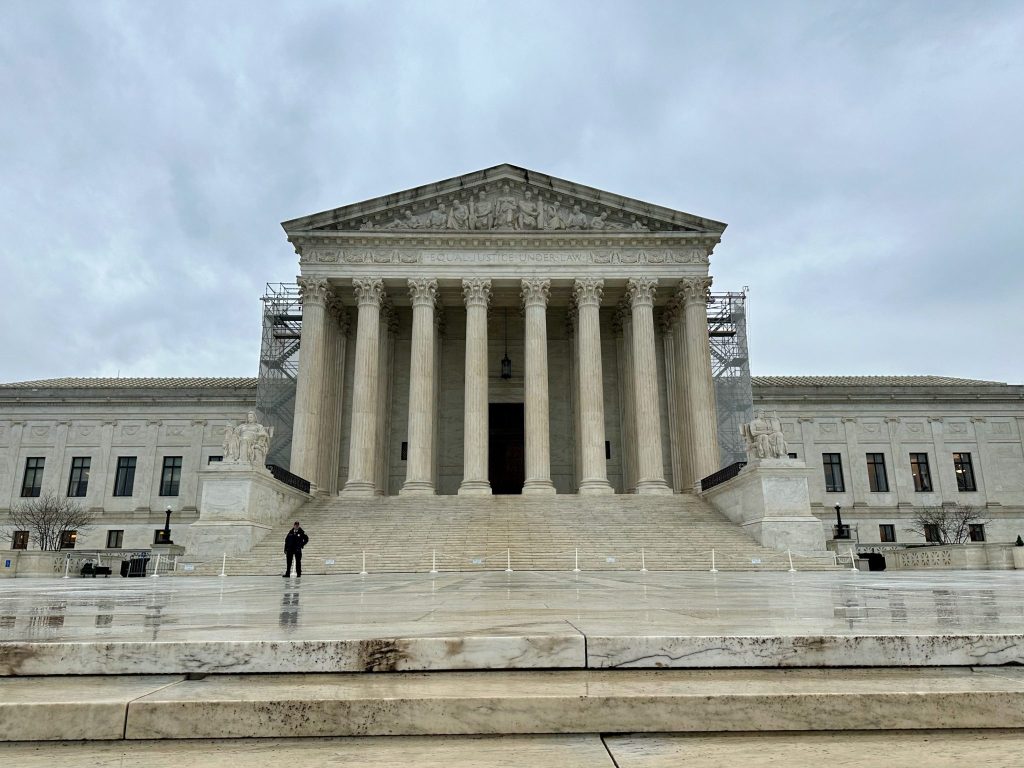
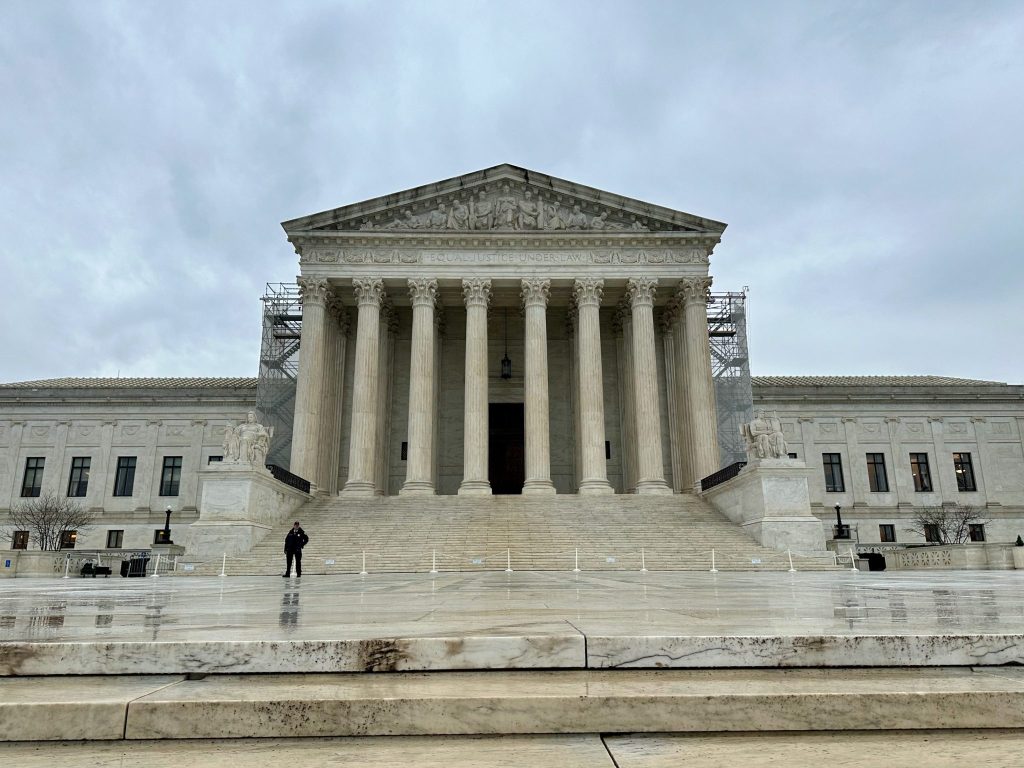
The Supreme Court’s recent decision in Cantero v. Bank of America leaves a significant question mark over the interplay between state laws and the National Bank Act (NBA). At the heart of the case is whether New York’s requirement for banks to pay interest on mortgage escrow accounts is preempted by federal law. Justice Brett Kavanaugh’s opinion provides scant guidance for lower courts on this crucial issue. This article delves into the case details, the court’s reasoning, and the broader implications for legal professionals and national banks.
Case Background
The Conflict Between State and Federal Law:
The crux of the case lies in a conflict between New York state law and the NBA. New York law mandates that banks, including national banks, must pay interest on escrow accounts held for mortgage customers. Bank of America, relying on the NBA, which often preempts state law to protect national banks from varying state regulations, chose not to comply with this requirement.
Dodd-Frank Act’s Role:
Complicating matters is the Dodd-Frank Wall Street Reform and Consumer Protection Act of 2010. Dodd-Frank introduced a detailed standard for determining when the NBA preempts state consumer financial laws. Specifically, it states that a state law is preempted if it “prevents or significantly interferes with the exercise by the national bank of its powers,” and mandates courts to apply the legal standard from the Supreme Court’s decision in Barnett Bank of Marion County, N.A. v. Nelson.
Supreme Court’s Decision
Justice Kavanaugh’s Opinion:
Justice Kavanaugh’s opinion primarily revisits the Barnett Bank precedent. He explains that Barnett did not clearly define when a state law is preempted under the “significantly interfere” standard. Instead, it compared cases where state laws were preempted with those where they were not, creating a somewhat ambiguous framework for future cases.
Lack of Concrete Guidance:
Kavanaugh’s opinion offers a broad overview of Barnett and related cases but stops short of providing specific guidance on how to reconcile the NBA with New York’s interest requirement. He emphasizes that courts must make a “practical assessment of the nature and degree of the interference caused by a state law” without providing a clear methodology for such assessments.
Implications for Lower Courts:
The Supreme Court remanded the case to the lower courts, criticizing them for relying on an outdated categorical test that predated Barnett. Kavanaugh’s directive is for the lower court to conduct a nuanced comparative analysis, but he offers little clarity on how this should be done.
Broader Legal Implications
Precedent and Ambiguity:
The decision underscores the ongoing ambiguity in applying federal preemption standards to state consumer financial laws. Legal professionals are left without clear benchmarks, complicating the task of advising national banks on compliance with state laws.
Impact on National Banks:
The ruling is particularly significant for national banks, which must navigate the complex interplay between federal protections and state regulations. Without clear guidance, banks face uncertainty in determining whether they must comply with various state requirements, potentially leading to inconsistent practices and increased litigation.
Consumer Financial Protection:
For consumers, the decision leaves open the question of whether they can expect consistent protections, such as interest on escrow accounts, across different states. This inconsistency can lead to confusion and a lack of uniformity in consumer rights.
Legal Analysis and Future Directions
Reevaluating Barnett:
Kavanaugh’s reliance on Barnett without providing a new framework suggests a potential reevaluation of the precedent in future cases. Legal scholars and practitioners must closely watch how lower courts interpret and apply this ruling, as it could lead to significant shifts in preemption doctrine.
State vs. Federal Powers:
The case highlights the broader tension between state regulatory authority and federal oversight of national banks. As states continue to pass consumer protection laws, the balance of power between state and federal regulation remains a critical legal battleground.
Conclusion
The Supreme Court’s decision in Cantero v. Bank of America leaves much to be desired in terms of clear guidance for lower courts and legal professionals. While it underscores the importance of the Barnett precedent, it fails to offer a definitive approach for reconciling state and federal laws affecting national banks. As the legal community awaits further developments, this case serves as a reminder of the complexities and uncertainties inherent in federal preemption doctrine.
#SupremeCourt#BankingLaw#FederalPreemption#DoddFrank#NationalBankAct#LegalAnalysis#ConsumerProtection
 lawrota.com
Leave a comment