Introduction: A Crucial Meeting in Uncertain Times
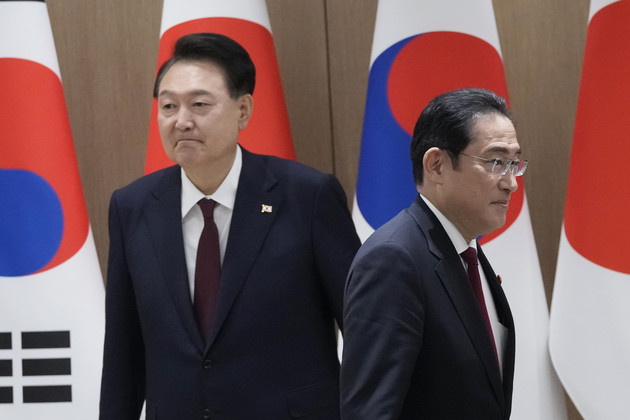
In a significant diplomatic move, leaders from South Korea, China, and Japan have reconvened for their first trilateral meeting in over four years. This high-level gathering, held in Seoul, comes at a time of heightened regional tensions and complex global dynamics. Although no major breakthroughs were anticipated, the mere resumption of these talks signals a potential shift towards increased cooperation among these pivotal Northeast Asian nations.
Historical Context and Current Dynamics
The trilateral meetings, which began in 2008, are designed to foster cooperation and dialogue among South Korea, China, and Japan. However, these annual summits have been on hold since December 2019, primarily due to the COVID-19 pandemic and escalating diplomatic frictions. The resumption of these meetings marks a hopeful step towards mending and strengthening these critical relationships.
Bilateral Dialogues: Setting the Stage
Before the official trilateral meeting, South Korean President Yoon Suk Yeol, Chinese Premier Li Qiang, and Japanese Prime Minister Fumio Kishida engaged in bilateral discussions. These preliminary talks aimed to address both cooperative initiatives and contentious issues, such as North Korea’s nuclear ambitions, regional security concerns, and economic partnerships.
Key Issues on the Agenda
North Korea’s Nuclear Threat
One of the primary topics was North Korea’s relentless pursuit of nuclear weapons and its deepening military ties with Russia. President Yoon highlighted the urgent need for China, as a permanent member of the U.N. Security Council, to play a more active role in promoting peace on the Korean Peninsula. Historically, China has been North Korea’s major ally and economic lifeline, but it has faced criticism for allegedly not fully implementing U.N. sanctions and providing clandestine aid to Pyongyang.
China’s Regional Assertiveness
Prime Minister Kishida expressed serious concerns about China’s actions in the South China Sea, human rights issues in Hong Kong and Xinjiang, and military maneuvers around Taiwan. These topics reflect Japan’s apprehensions about China’s growing assertiveness and its implications for regional stability.
Economic and Environmental Cooperation
Despite these tensions, the trilateral meeting aimed to foster cooperation in areas such as trade, climate change, health issues, and disaster response. Given that these three nations collectively account for about 25% of the global GDP, their economic interdependence is substantial. Enhancing cooperation in these sectors could provide significant benefits not only for the region but also for the global economy.
Geopolitical Underpinnings
The geopolitical landscape in Northeast Asia is increasingly influenced by the strategic interests of major powers. South Korea and Japan, both key U.S. allies, have been strengthening their security ties with the United States, which has drawn rebukes from China. The trilateral talks are seen as a balancing act to manage these alliances while addressing regional security concerns.
China’s Strategic Position
China’s participation in the trilateral meeting, represented by Premier Li Qiang, underscores its interest in maintaining stable and cooperative relations with South Korea and Japan. China is the largest trading partner for both countries, and any further strengthening of the South Korea-Japan-U.S. security alliance could be perceived as a threat to its regional interests. Analysts suggest that China views these trilateral talks as an opportunity to mitigate any adverse impacts on its national interests.
Implications for Regional Stability
The resumption of trilateral meetings among South Korea, China, and Japan is a positive development in a region fraught with historical grievances and contemporary geopolitical challenges. While no major breakthroughs were expected, the talks represent a significant step towards rebuilding trust and enhancing cooperation. These efforts are crucial for regional peace and stability, especially in the context of North Korea’s provocations and the broader strategic competition between the U.S. and China.
Conclusion: A Path Forward
The trilateral meeting in Seoul underscores the importance of dialogue and cooperation in addressing complex regional issues. By engaging in these high-level talks, South Korea, China, and Japan have demonstrated a willingness to work towards common goals despite their differences. Moving forward, sustained dialogue and collaborative efforts will be essential in navigating the challenges and opportunities that lie ahead.
#TrilateralTalks #NortheastAsia #RegionalDiplomacy #SouthKoreaChinaJapan #Geopolitics #InternationalRelations #EconomicCooperation #PeaceAndStability
 lawrota.com
Leave a comment