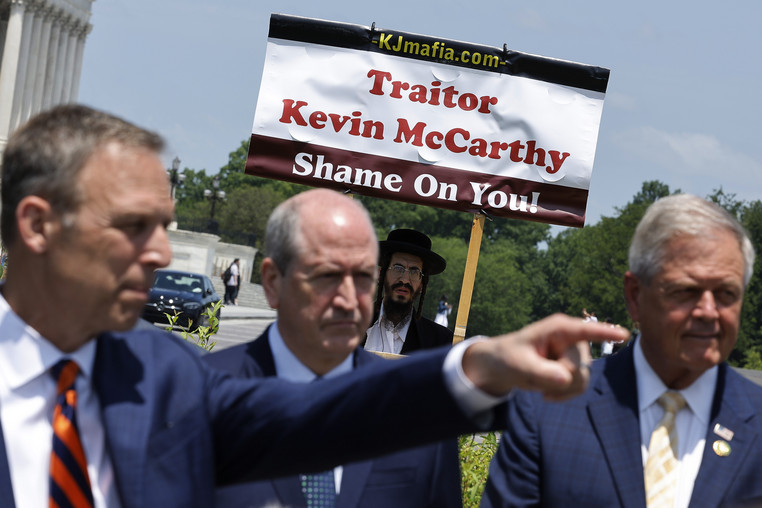
The House Freedom Caucus, notorious for its hardline stances and disruptive strategies, has not only influenced national politics but has also extended its reach into state legislatures, sparking similar conflicts and divisions. Established in 2015, this group has reshaped the conservative landscape by challenging traditional Republican leadership and promoting far-right agendas. However, its aggressive tactics have fractured legislative bodies and intensified internal strife, notably seen in states like South Carolina, where clashes between Freedom Caucus members and mainstream Republicans have led to litigation and primary challenges.
State-based Freedom Caucuses, supported by grassroots activists and the State Freedom Caucus Network, emulate their D.C. counterpart’s strategies, receiving assistance in bill analysis and policy formulation. This network, in collaboration with the Conservative Partnership Institute, aims to establish Freedom Caucuses in all 50 states. Yet, the repercussions are evident as states like Wyoming and Missouri witness heightened tensions, with Republican leaders clashing over caucus tactics.
Despite claims of championing conservative causes, critics argue that the Freedom Caucus’s confrontational approach hampers effective governance, branding their actions as mere stunts devoid of substantial legislative progress. Nevertheless, their unwavering unity and messaging continue to fuel their insurgency, posing a persistent challenge to established political norms.
#FreedomCaucus #StatePolitics #ConservativeAgenda #LegislativeDisruption #PoliticalDivision #GrassrootsActivism
 lawrota.com
Leave a comment