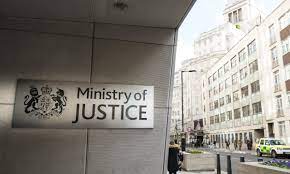
The quest for revitalizing the civil legal aid sector has hit a roadblock with the Ministry of Justice (MoJ) opting to extend the timeline for its review, sparking concerns that crucial reforms may be deferred indefinitely. Originally slated for completion by the end of this month, the review, initiated in January 2023, aimed to address the pressing need for a sustainable legal aid system through economic analysis and comparative research, culminating in policy proposals.
However, a recent development has revealed a significant shift in strategy, as the MoJ announced a phased approach to the review, with findings set to be unveiled in stages. A “green paper,” pivotal in shaping future policy, is now scheduled for release in the summer, marking a departure from the initial timeline.
The rationale behind this decision, as outlined in a letter obtained by the Gazette, emphasizes the imperative of constructing a robust evidence base to inform policy development effectively. This phased approach, according to the MoJ, allows for meticulous attention to detail, ensuring the incorporation of sector experiences and comprehensive evidence.
Among the forthcoming publications are reports on international comparisons, economic analyses, user research, and advocacy findings, slated for release over the coming months. However, concerns loom over the timing of these publications, particularly in light of the looming deadline for the next general election. With government guidelines mandating a 12-week consultation period for green papers, the window for meaningful engagement narrows, potentially overshadowed by pre-election sensitivities.
Critics are quick to question the delayed initiation of the call for evidence, which was issued a year after the review’s announcement, further complicating the timeline and raising doubts about the efficacy of the process. Despite assurances from the MoJ regarding the need for a comprehensive and robust reform agenda, skepticism persists within the legal community regarding the feasibility of substantive change within the current political climate.
In response, a Ministry of Justice spokesperson reiterated the commitment to fortifying the civil legal aid system, underscoring the significance of evidence-driven reform. The decision to adopt a phased approach, they argue, reflects a conscientious effort to synthesize diverse perspectives and experiences, paving the way for informed policy proposals in due course.
As the legal fraternity awaits the unveiling of the green paper and subsequent consultations, the stakes remain high for the future of civil legal aid. With the specter of electoral politics looming large, the path to substantive reform is fraught with challenges, underscoring the need for concerted advocacy and engagement within the legal community.
#LegalAid #JusticeReform #LawStudents #LegalCommunity #CivilRights #GovernmentReview #PolicyDevelopment #Advocacy #LegalSystem
 lawrota.com
Leave a comment