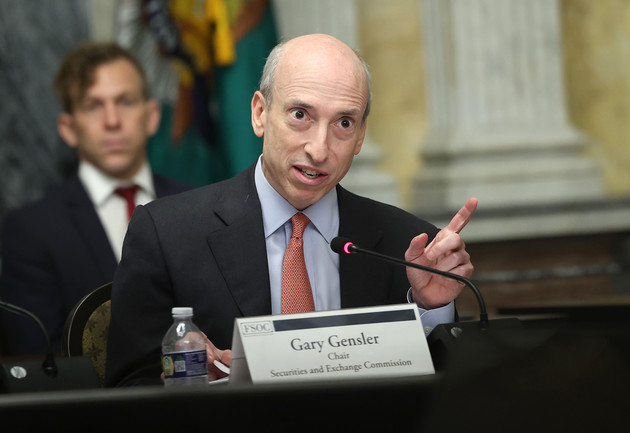
The Securities and Exchange Commission (SEC) recently approved a revolutionary climate rule, marking a significant milestone in U.S. corporate reporting. Spearheaded by SEC Chair Gary Gensler, this rule mandates thousands of public companies to disclose comprehensive details about their climate risks, the financial impacts of severe weather events, and in some cases, their greenhouse gas emissions.
Despite its groundbreaking nature, the final rule faced considerable opposition and underwent significant revisions, omitting several sweeping disclosure requirements initially proposed. Notably, the absence of comprehensive disclosures regarding supply chain emissions disappointed climate advocates.
The SEC’s decision triggered immediate legal and legislative challenges, with nine Republican-led states and business groups planning litigation. However, proponents argue that the rule, albeit scaled-back, represents progress in enhancing investors’ understanding of corporate climate risk.
The rule’s phased implementation over the next decade introduces reporting mandates concerning material climate-related risks, companies’ transition plans, and the financial repercussions of severe weather events. While larger companies face earlier compliance deadlines, smaller firms enjoy exemptions from greenhouse gas emissions disclosure requirements.
SEC Chair Gensler defends the rule as a natural evolution in disclosure norms, emphasizing investors’ growing reliance on climate-related information. However, critics, including dissenting Commissioners, believe the rule falls short of its potential and leaves significant responsibilities unaddressed.
With legal challenges mounting and political tensions high, the fate of the climate rule remains uncertain. Nevertheless, its approval signifies a pivotal moment in advancing corporate transparency and addressing climate risks in the financial sector.
#ClimateRule #SEC #CorporateReporting #LegalBacklash #ClimateDisclosure #GreenhouseGas #LegalChallenges #RegulatoryPower #EnvironmentalImpact #CorporateTransparency
 lawrota.com
Leave a comment