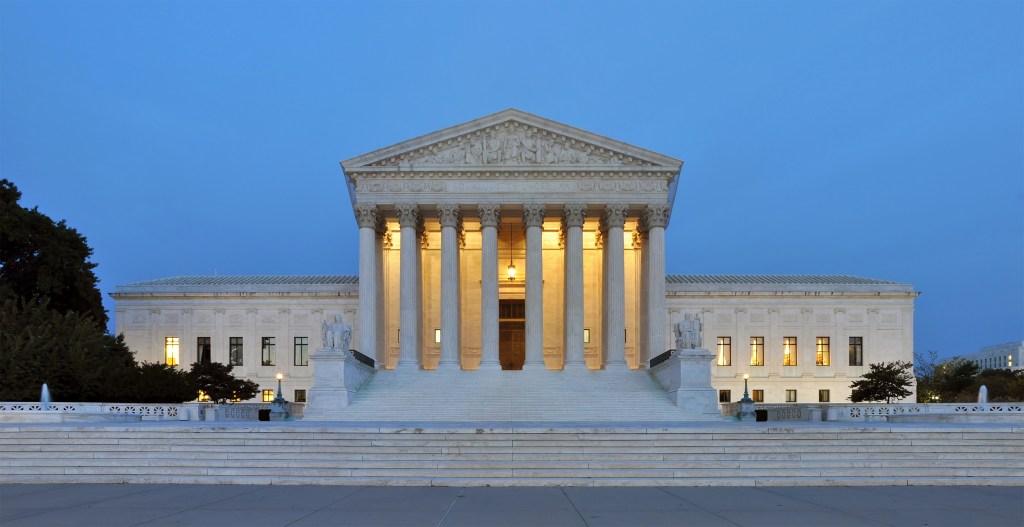
In the complex landscape of immigration law, the case of Amina Bouarfa and Ala’a Hamayel sheds light on the challenges faced by couples seeking to navigate visa approvals and revocations. Married in 2011, Bouarfa, a U.S. citizen, sought to secure a permanent residency for her husband, Hamayel, a Palestinian national. After filing Form I-130, their petition was initially approved by the United States Customs and Immigration Services (USCIS) in 2015.
However, their journey took a tumultuous turn when two years later, USCIS notified the couple of its intent to revoke Hamayel’s visa. The basis for this revocation stemmed from allegations that Hamayel had entered into a previous marriage to circumvent immigration laws—a fact unknown to USCIS at the time of their initial petition. Bouarfa’s subsequent appeal within the agency proved futile, prompting her to turn to federal court for recourse.
The heart of the legal debate lies in the question of whether federal courts possess the jurisdiction to review the revocation of a visa, particularly when such decisions are based on non-discretionary criteria. While immigration laws grant federal officials the authority to revoke visa approvals at any time for “good and sufficient cause,” the interpretation of this provision has sparked contention.
Both the federal district court in Florida and the U.S. Court of Appeals for the 11th Circuit ruled against Bouarfa’s plea for judicial review. They asserted that the revocation of a visa approval falls within the realm of discretionary decisions entrusted to immigration officials. Consequently, federal courts are precluded from intervening in such matters, as mandated by Congress.
Nevertheless, the judicial deliberations raised significant concerns regarding the potential ramifications of this interpretation. There is apprehension that agencies could exploit this discretion by initially approving petitions and subsequently revoking them, thereby circumventing judicial scrutiny. This loophole poses profound implications for individuals entangled in the immigration process, raising questions about procedural fairness and accountability.
As the case of Bouarfa and Hamayel underscores, the intersection of immigration law and judicial review is fraught with complexities and implications. Beyond the individual circumstances of this couple, the broader implications of this legal precedent resonate with immigrant communities navigating the intricate pathways of the U.S. immigration system.
#ImmigrationLaw #VisaRevocation #JudicialReview #USCIS #LegalChallenges #FederalCourts #ImmigrantRights
Source: https://www.scotusblog.com/2024/02/couple-seeks-review-of-revoked-visa/
 lawrota.com
Leave a comment