
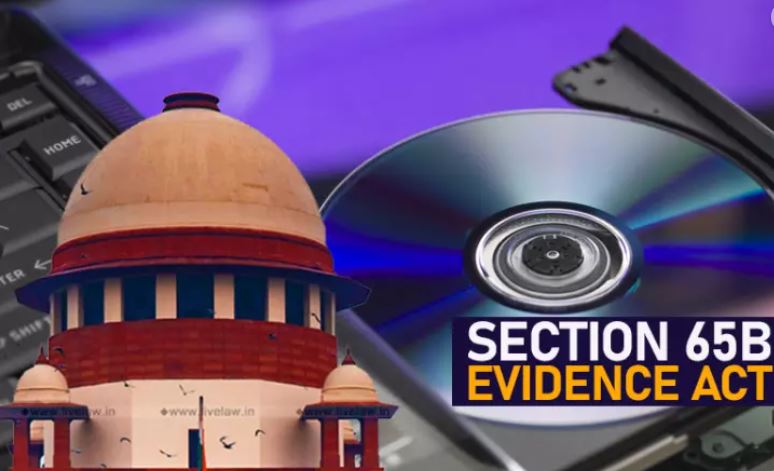
In a case related to the 2008 Bangalore Blasts, the Supreme Court overruled a judgment of the Karnataka High Court. The high court had denied the prosecution’s request to present a Section 65B Certificate as evidence, which is required for electronic evidence.
The case revolved around a series of bomb blasts in Bangalore that resulted in a fatality and numerous injuries. During the investigation, various electronic items were seized, including laptops, hard drives, pen drives, CDs, and more. These were sent to the Central Forensic Sciences Laboratory in Hyderabad, which prepared a report in 2010.
The Trial Court initially rejected the CFSL report in 2017, citing the absence of a Section 65B Certificate. The prosecution contended that the original devices themselves served as primary evidence, and the certificate was not necessary. Still, the prosecution sought to recall an expert to produce the certificate in 2018, a request that was denied by the Trial Court and upheld by the High Court.
The Supreme Court disagreed with the Trial Court and High Court’s approach. They emphasized that the delay in producing the certificate was wrongly interpreted, as the CFSL report was available since 2012, and the objection to the certificate was raised in 2017. The prosecution’s argument that the original devices had already been produced and marked as exhibits was valid. Still, they produced the certificate promptly after the objection was raised.
The court recognized the severity of the offense and stressed that a fair trial in a criminal case should not favor one party over another. It should ensure that no guilty party goes unpunished while protecting the rights of the accused. The Section 65B Certificate, required by law to prove the report on record, was deemed crucial. Allowing the prosecution to produce this certificate at a later stage would not result in irreversible prejudice to the accused. They would have the opportunity to challenge the evidence presented by the prosecution.
Consequently, the Supreme Court allowed the appeal, permitting the prosecution to recall the witness under Section 311 of the Criminal Procedure Code to present the Section 65B Certificate.
This ruling clarifies the importance of Section 65B Certificates in cases involving electronic evidence and ensures a more equitable legal process. It underscores the principle that justice must be served, protecting the rights of both the accused and the prosecution.
#SupremeCourt #ElectronicEvidence #LegalTech #IndianEvidenceAct #BangaloreBlasts #LegalNews
 lawrota.com
Leave a comment