In an revealing and passionate interview, Senator Raphael Warnock (D-GA) addressed pivotal national concerns, shedding light on critical issues ranging from controversial political nominations to the intersection of faith and governance, and the recent tragic aviation incident in the nation’s capital.

Key Interview Highlights
1. Challenging Controversial Rhetoric
During a confirmation hearing, Warnock confronted challenging statements, presenting documented evidence of past controversial remarks. Regarding leadership in critical agencies, he emphasized the gravity of governmental appointments:
“Selecting leaders for crucial national institutions is a matter of utmost seriousness. These are life-and-death decisions that demand careful consideration.”
The Washington D.C. Aviation Incident: Political Fallout and Discourse
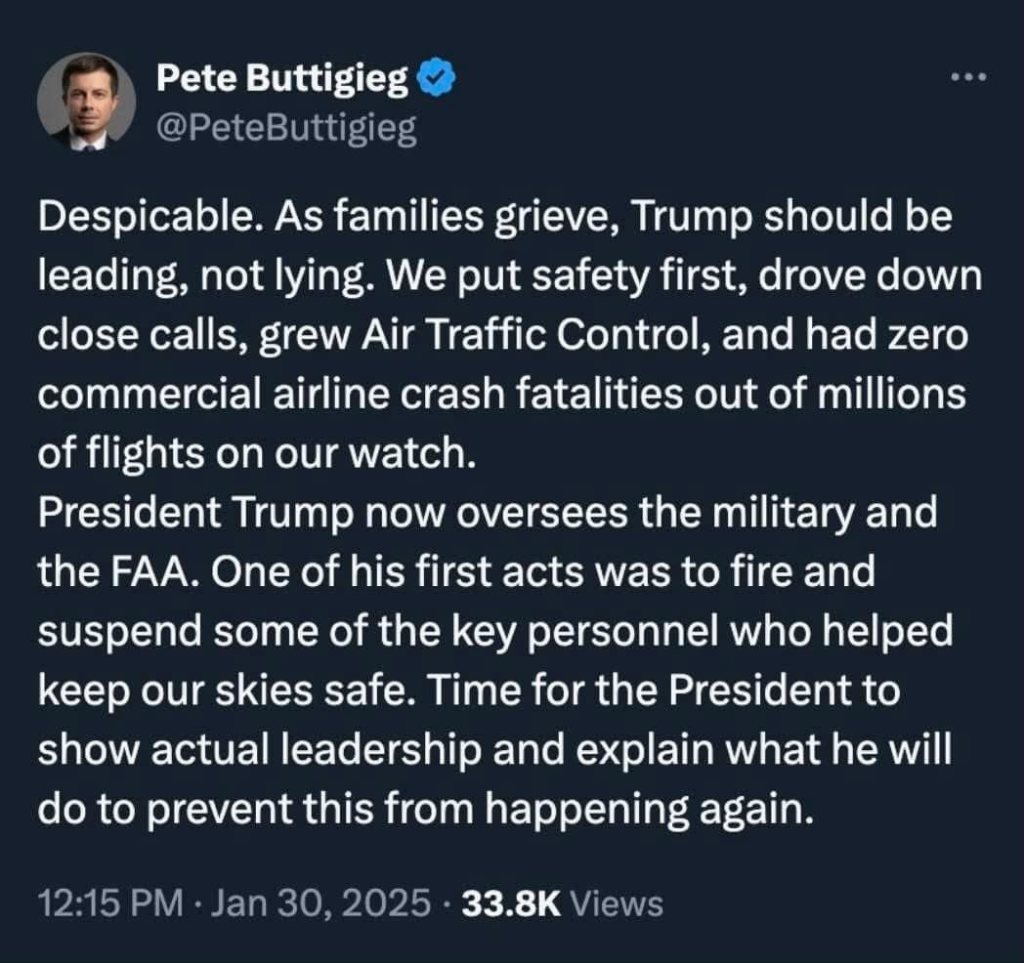
The recent aviation incident near Reagan National Airport has ignited a complex political dialogue, bringing to the forefront discussions about transportation safety, governmental accountability, and crisis management.
Emerging Political Narratives
Competing political perspectives have emerged in the wake of the incident. Former President Trump’s commentary, which attributed the event to various systemic factors without substantial evidence, drew significant criticism.
Senator Warnock emerged as a prominent critic, characterizing such responses as inappropriate and potentially harmful. He argued that utilizing a moment of tragedy for political messaging is fundamentally misguided, particularly when families are experiencing profound grief.
Policy and Administrative Considerations
The incident has prompted scrutiny of several key administrative areas:
- Recent modifications to Aviation Safety Oversight
- Leadership transitions at federal transportation agencies
- Air traffic control staffing dynamics
- Federal employment policy implementations
Media and Messaging Dynamics
Commentators have highlighted the need for more direct and substantive political communication, focusing on concrete policy implications rather than rhetorical posturing.
Broader Implications
The discourse has expanded beyond the immediate incident, touching on fundamental questions of governmental responsibility, leadership integrity, and public safety infrastructure.
2. Addressing Campaign Funding Allegations
Responding to claims about campaign financing, Warnock strongly affirmed the legitimacy of his electoral victory:
“The people of Georgia elected me through a democratic process. My commitment is to their interests and well-being.”
3. Critique of Controversial Nominations
Warnock voiced significant concerns about political nominees who appear antagonistic to the agencies they would lead:
“We require leaders committed to public service, grounded in factual understanding and genuine concern for citizen welfare.”
4. Response to Tragedy and Political Rhetoric
Criticizing attempts to politicize a national tragedy, Warnock condemned opportunistic messaging during a time of mourning:
“When families are experiencing unimaginable loss, political point-scoring is not just inappropriate—it’s deeply harmful.”
5. Faith and Governance
Drawing from his pastoral background, Warnock articulated a vision of leadership rooted in compassionate principles:
“True leadership is measured by our commitment to the most vulnerable. Political rhetoric must align with genuine humanitarian values.”
6. Defending Democratic Institutions
Warnock issued a passionate defense of democratic norms, warning against potential institutional erosion:
“Our republic is defined by collective governance, not individual power. Every citizen must remain vigilant in protecting democratic principles.”
Significance of the Dialogue
Senator Warnock’s interview represents a critical moment of political reflection, emphasizing the importance of principled leadership, institutional integrity, and a commitment to collective well-being over partisan divisions.
Note: This analysis reflects ongoing political discussions. Readers are encouraged to seek comprehensive information from multiple authoritative sources.
 lawrota.com
Leave a comment